
Heat warnings in Peace region prompt health precautions
Following heat warnings issued by Environment and Climate Change Canada for the BC Peace and Fort Nelson regions, Northern Health is encouraging residents to take extra steps to protect their health.
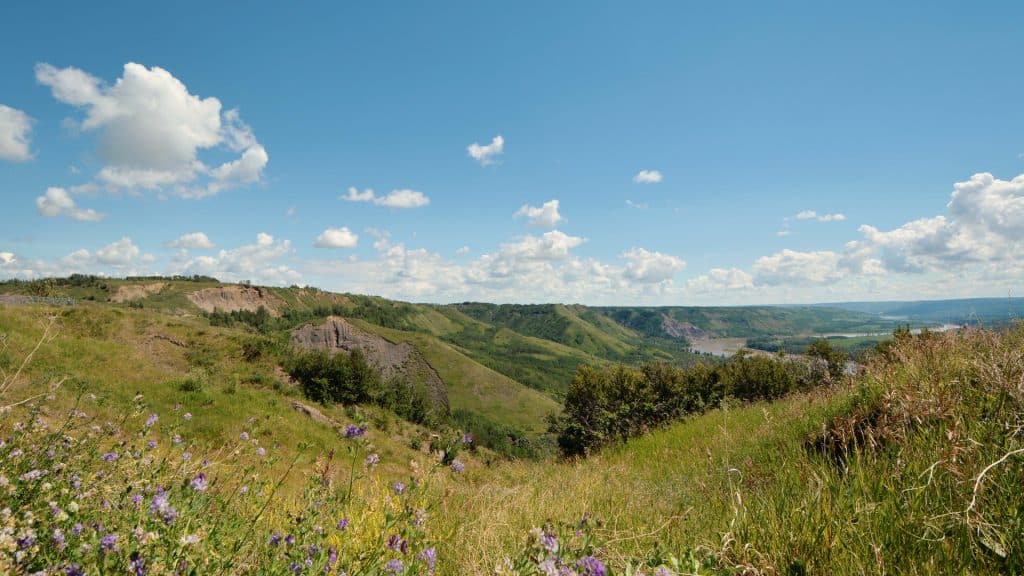
FORT ST. JOHN, B.C. – Following heat warnings issued by Environment and Climate Change Canada for the BC Peace and Fort Nelson regions, Northern Health is encouraging residents to take extra steps to protect their health.
Daytime temperatures of 30 degrees and above are expected throughout the week, prompting heat warnings across the province and an increased risk of heat-related illnesses.
Residents can prepare for dangerous weather by ensuring they have somewhere to cool off, such as air-conditioned homes, libraries, and community centres, and by closing their windows and blinds during the day to prevent indoor heat.
Older adults, those with pre-existing health conditions, those working in hot environments, young children, and infants are just some of the high-risk groups when facing heat-related illnesses, according to Northern Health.
“It is important to monitor yourself, family members, neighbours, and friends during hot weather,” Northern Health wrote in a July 5 press release.
Residents are reminded to drink plenty of water and other liquids to stay hydrated, take cool showers or baths, and avoid going outside during the hottest hours of the day.
Sunscreen, preferably SPF 30 or higher, is also highly recommended, and individuals who feel themselves overheating should take immediate action to rest and recover.
Latest Stories
Signs of heat exhaustion include heavy sweating, severe headache, muscle cramps, and extreme thirst, and signs of overheating include nausea, headache, and dizziness.
If residents experience any of these symptoms, they are encouraged to seek a cooler environment, drink water, rest, and lower their body temperature
Heat stroke is considered a medical emergency, and residents are encouraged to call 911 or travel to the nearest medical facility to receive treatment.
Stay connected with local news
Make us your
home page
Authors

Related Articles

South Peace People’s Choice Awards 2026 Winners
Here are the winners of the 2026 South Peace People’s Choice Awards presented by SL Enterprizes Ltd. These winners were voted by the people.
Energeticcity.ca Weekly Review: Our New News Director
In this edition of the Weekly Review, we announce our new News Director leading the news team. Plus, the most-read stories of the week.

Bluey Day participant ‘ecstatic’ to raise more than $30K
Bluey Day participant, Kelly Fell has raised $31,017 for Bluey Day 2026 towards the diagnostic and treatment equipment of cancer patients.