
Solar projects in Dawson Creek promise over 7 million in savings over 30 years
Peace Energy Cooperative presented options for long-term solar investments in Dawson Creek.
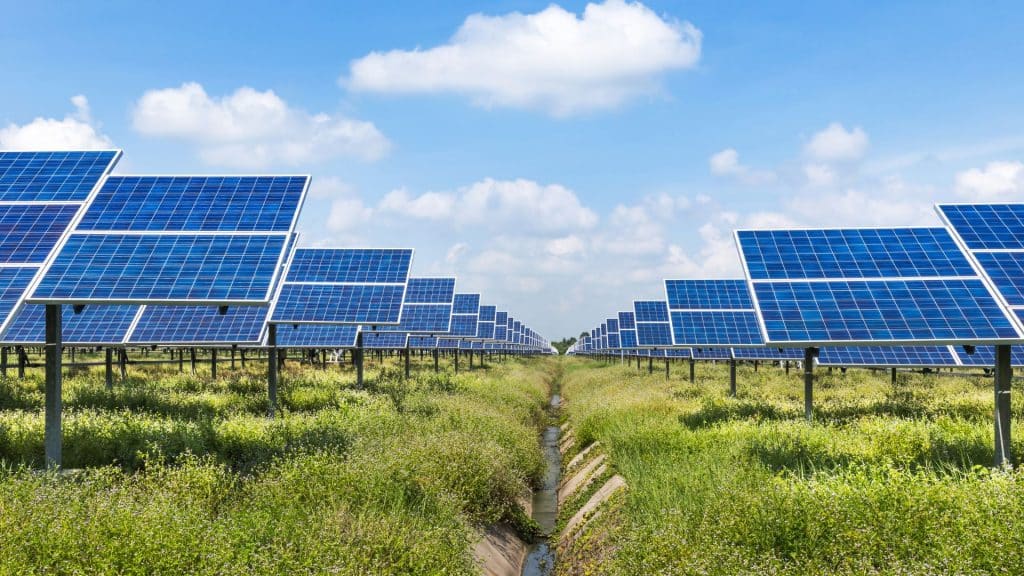
DAWSON CREEK, B.C. — Peace Energy Cooperative presented options for long-term solar investments in Dawson Creek.
During their June 10th council meeting, Greg Dueck, a solar designer with Peace Energy Cooperative, presented 12 solar projects based on criteria including the best financial return on investment (ROI) and ease of construction.
According to Dueck, savings of up to $114,000 per year or $7.6 million over 30 years can be expected.
The energy company recommended council take actions such as finalizing a two-year plan to solarize 12 municipal facilities for the city, studying to maximize multiplex solar arrays to reduce bills as much as possible, doing a feasibility study with public consultation, and continuing research of Public Solar into high-visibility public spaces such as Solar Trees and EV charging stations.
“We believe solar can be more than an investment to reduce your power,” said Dueck.
Dueck also says the average return on investment is six percent in year one, increasing over time and resulting in a simple payback time of 14 years.
“When you add solar to a building and protect the ratepayers from BC hydro’s increases, over the long term, you save money by producing your own power,” said Dueck.
Latest Stories
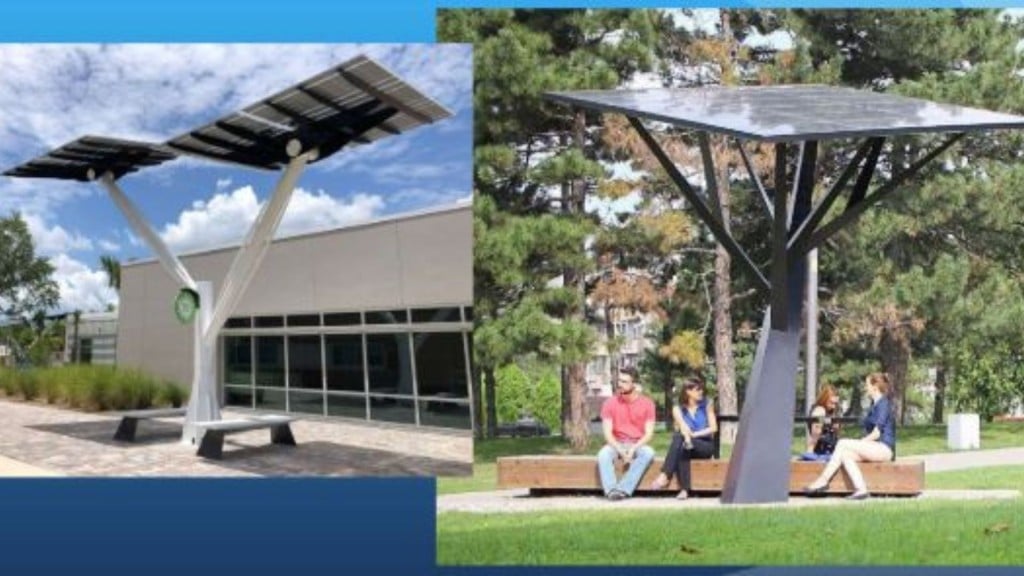
The Peace Energy representative also discussed initiatives to install ‘solar trees’ that provide shade and electric charging around the city.
“These solar trees will fulfill the goal of outstanding beautification and will pay for themselves over time with solar electricity,” said Dueck.
Councillor Jerimy Earl asked the representatives about the lifecycle of solar technology, and how easy it would be to move the solar arrays elsewhere when a building is replaced.
Dueck said moving the equipment is possible and it can be repurposed at other locations.
Councillor Kyle Macdonald also asked about the maintenance of technology for winter.
Dueck said only a small amount of energy would be lost if large amounts of snow were laid on the panels, adding that it would only be a problem if there were at least four feet of snow, and it would still be able to be cleared.
The full presentation can be viewed below:
Stay connected with local news
Make us your
home page
Authors

Related Articles

Registration open for vendors at Cultural Gathering of Nations
Food vendors or marketplace merchants interested in participating can register through a QR code on the Cultural Gathering of Nations Facebook page.

Taylor to rework Unsightly Premises Bylaw in spring
The District of Taylor council is reworking its Unsightly Premises Bylaw and negotiating to replace the Taylor Rural Fire Protection agreement with the PRRD.
Petition launched to amend Criminal Code for ‘stronger public safety’
The City of Prince George is petitioning the House of Commons to amend the Criminal Code of Canada and better support the legal system.