
Summer blend not to blame for gas price hike in Fort St. John, Dan McTeague says
Gas prices rose in Fort St. John this week, and Canadians for Affordable Energy President Dan McTeague says it’s not because of stations switching to a summer blend.
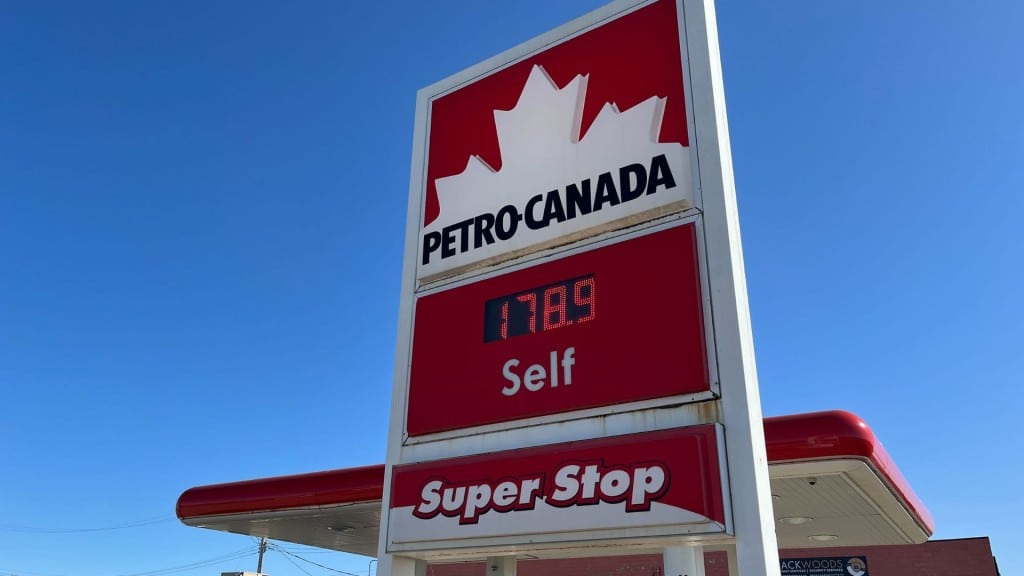
FORT ST. JOHN, B.C. — Gas prices rose in Fort St. John this week, and Canadians for Affordable Energy President Dan McTeague says it’s not because of stations switching to a summer blend.
According to McTeague, stations already switched to their summer blend on March 15th in Western Canada.
“You have to look at what’s called the Edmonton terminal rack price,” McTeague says. “I realize Edmonton’s quite a distance away, five or six hours, but that’s where the price comes from, and they changed on March 15th to the lower spec.”
Local News Straight
to Your Phone
Download our app today!
Available on Android and iOS devices
He says right now, it costs gas stations in Fort St. John and the surrounding area roughly $1.50 per litre to get gas.
“It’s costing $1.48, $1.49 [Friday, April 19th], using Edmonton’s racks – that’s basically the inside industry name for the wholesale price, delivered,” McTeague explains.
He says anything on top of that is profit for gas stations.
Currently, regular gas in Fort St. John costs anywhere between $1.75 and $1.78 per litre, according to GasBuddy.
Latest Stories
That’s an increase of six to nine cents per litre compared to March 20th.
McTeague sees no reason for the increase besides profit. GasBuddy’s Head of Petroleum Analysis, Patrick DeHaan, says the spike is being caused by “very tight west coast supply and refinery maintenance.”
In Statistics Canada’s March Consumer Price Index, the agency cited higher gas prices as a cause for rising inflation, also noting that prices were rising faster in Western Canada than in Eastern Canada.
Normally, gas prices peak for the year during the May long weekend.
In the winter, gas stations include more of a substance called butane in their fuel. Butane is an inexpensive gas that helps cars start during the cold winter months.
Meanwhile, during warmer seasons, stations change their fuel blends to contain more of a substance called alkalytes, which make the gas less volatile.
According to McTeague, gas stations in Eastern Canada only started to use summer blends on April 16th.
Stay connected with local news
Make us your
home page
Authors

Related Articles

Dance fundraiser to be held in honour of Dawson Creek firefighter captain injured on Highway 97
June’s Boots and Beer fundraiser is in aid of the Dawson Creek Firefighters Charitable Society for an unnamed hospital project.
Fort St. John bus services resume after being suspended amid winter weather
Winter weather suspended bus services in Fort St. John for approximately four hours on April 7th, but they have now been resumed.

Fort St. John bowling alley suffers third break-in in three years
Alarms were triggered at Fort Bowling Lanes on April 6th at 3:24 a.m.: the third break in at the bowling alley in the last three years.