
Northeast B.C. reports four drug overdose deaths in January
Northeast B.C. reported four drug overdose deaths in January, according to the most recent B.C. Coroners Service report.
FORT ST. JOHN, B.C. — Northeast B.C. reported four drug overdose deaths in January, according to the most recent B.C. Coroners Service report.
With 33 fatal overdoses recorded, 2023 is the year with the most deaths in the northeast since 2012.
Up until December 2023, the Peace River North reported 19 overdose deaths, Peace River South had 13, and there were none in Fort Nelson.
Local News Straight
to Your Phone
Download our app today!
Available on Android and iOS devices
The Northern Health Authority reported 21 overdose deaths in northern B.C. in January.
The highest number of fatal overdoses reported in the north since 2012 was 208 deaths in 2023.
In January 2024, the province reported 198 suspected illicit drug toxicity deaths, a 14 per cent decrease from the number of deaths in January 2023 and a ten per cent decrease in deaths from December 2023.
“Each person lost had their own story, their own hopes and dreams, and a circle of loved ones,” said Jennifer Whiteside, Minister of Mental Health and Addictions.
Latest Stories
“They were neighbours, parents, siblings and friends, and their passing creates ripples of grief throughout our communities.”
By health authority, in 2024, the highest rates were in Northern Health at 81 deaths per 100,000 people, followed by Island Health at 50 per 100,000. Overall, the rate in B.C. is 42 deaths per 100,000 people.
The Fraser Health Authority has had the most overdose deaths so far in 2024, reporting 61.
The number of overdoses from illicit drugs in January 2024 equals about 6.4 deaths per day across the province, said the report.
Vancouver, Surrey, and Nanaimo have had the highest number of illicit drug overdoses by township in 2024.
At 27 per cent, the age group with the highest overdoses is 30 to 39, and males accounted for 76 per cent of the overdose deaths, according to the report.
“We’re working urgently to create a system that not only addresses immediate risks but also supports long-term healing and wellness,” said Whiteside.
“We will not stop working to turn the tide on this crisis, acknowledging the value of every individual and the need for change. The road to recovery is never straightforward, but our government is committed to walking the path alongside those who need us every step of the way.”
The report states there is no indication that prescribed safe supply contributed to illicit drug deaths.
The ongoing opioid crisis continues to spiral out of control after being declared a public health emergency in B.C. in 2016.
Stay connected with local news
Make us your
home page
Authors

Related Articles
Local Conservative association prepares to support new candidate selection with AGM
The B.C. Conservative Peace River North Riding Association will be hosting the open AGM on April 11th, 2026.

‘Kind and gentle soul’ killed in Charlie Lake remembered by family for ‘smile and joy’
Gurkirat Singh Manocha passed away on March 13th, 2026, after succumbing to serious injuries following an ‘altercation’ in Charlie Lake.
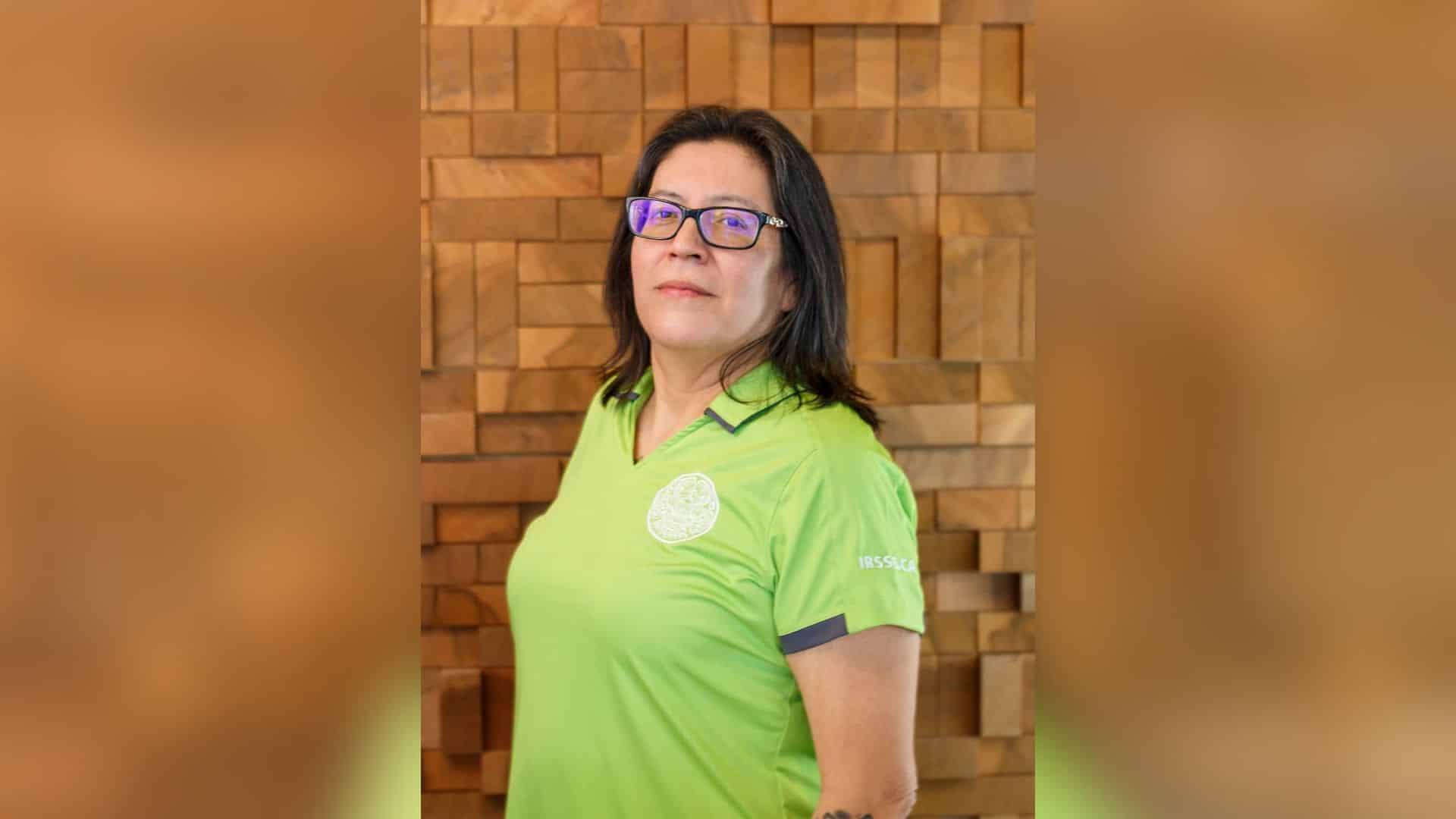
Long-standing Spirit of the Peace Pow Wow president resigns
Connie Greyeyes has resigned from her position as board president of the Spirit of the Peace Pow Wow.