
Peace River Regional District releases 2024 draft budget
The overall draft budget for all functions is $114.38 million, up $12.6 million or 12.4 percent from 2023, while the total requisition is $39.97 million, an increase of $2.7 million or 4.5 percent over last year.
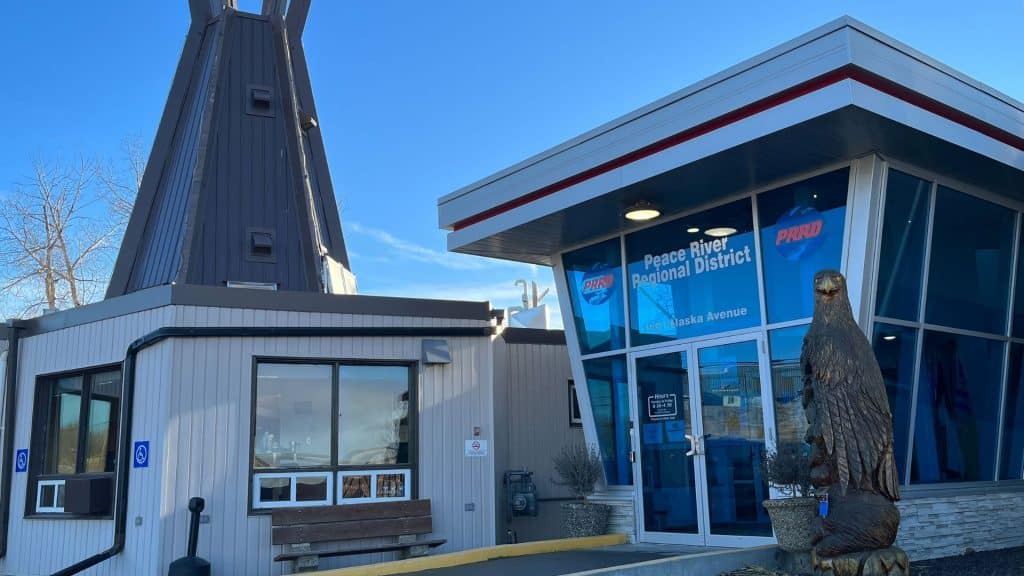
DAWSON CREEK, B.C. — The Peace River Regional District has released its 2024 draft budget and held a special board meeting on February 21st to receive the report.
The overall draft budget for all functions is $114.38 million, up $12.6 million or 12.4 percent from 2023, while the total requisition is $39.97 million, an increase of $2.7 million or 4.5 per cent over last year.
There are 60 active services in the PRRD, and 32 of those are rural services, taxing one or more electoral areas. Ten services are sub-regional and include one or more electoral areas and one or more municipalities, while 18 services are regional and include all municipalities and electoral areas.
Local News You Can Trust
Label us as a Preferred Source to see our stories more often
The three services with the largest requisition increase include solid waste at two million dollars, recreation at $537,074 and 911 services at $418,756. The overall net increase, which takes into account all budget increases and decreases across all functions, is just over $2.7 million.
The actual taxation will be based on a revised adjustment for properties, which is expected to be released by BC Assessment at the end of March.
Electoral Area E Director Dan Rose said the PRRD is one of the few places in the province where assessments have increased, but expressed concern about funding coming out of reserves, not requisition, noting the reserves will need to be replenished.
“We’re spending a lot of money, way beyond where inflation is,” said Rose. “And if you go the last two years with an increase in assessment and dollars collected, requisition and so on, if the budget passes in its form right now, it’s close, over 20 percent increase over the last two years, and that’s a lot.”
Latest Stories
“If we lose any more large contributors, like Canfor in Chetwynd, to our tax base, that’s offloaded onto our residents, and right now, these graphs all show that our residents pay a fairly small portion of these taxes for services they get, compared to what industry does,” Rose added, noting he feels the increases can mostly be attributed to downloading from the province.
“We have to fight because it’ll keep happening,” Rose said, suggesting they push back on the provincial government.
Electoral Area D Director Leonard Hiebert said he would like to know the total cost of downloading incurred in the budget compared to their regular operations but didn’t expect staff to have an on-hand number.
“It’s frustrating for us because we’re the ones that have to collect the money on their behalf, and we’re the ones taking it on the chin because they’re asking us to do this,” he said.
Roxanne Shepherd, the PRRD’s Chief Financial Officer, said she’d like to streamline future budget processes and reduce the number of resolutions coming forward.
“Rather than seeing 100 resolutions, I’d love to see one or two,” she said. “I mean, we have seven committees that would be bringing resolutions forward, but I think we can condense that into less reports and less resolutions and still provide the same amount of detail in the budget.”
A breakdown of the budget can be viewed below:
Stay connected with local news
Make us your
home page
Authors

Related Articles
Peace River North MLA to face jury in sexual assault case
Peace River MLA Jordan Kealy made his first appearance in court on a charge of sexual assault on Monday, July 6.
City launches property tax calculator for residents to check new pool tax impacts
The City of Fort St. John’s new property tax calculator will help residents understand the potential property tax impacts due to the new pool.
Fort St. John Legion seeking community help in raising funds for property taxes
The Fort St. John Legion is seeking support from the community in raising funds for property taxes.