
Avalanche tragedy near Chetwynd highlights urgent need for safety training
Avalanche fatalities are preventable with the right equipment and safety training, according to avalanche expert Dave McAleney.
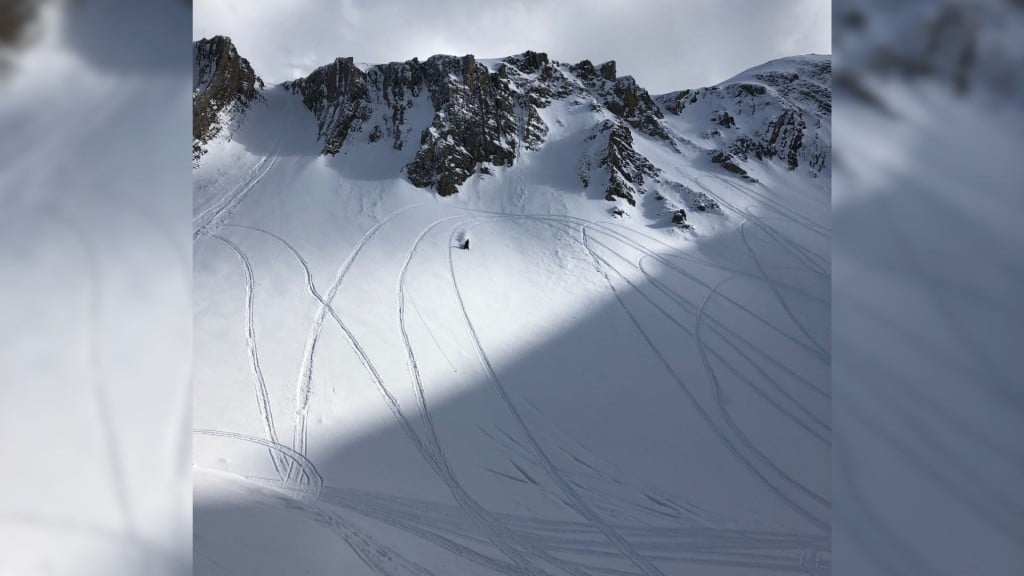
CHETWYND, B.C. — Avalanche fatalities are preventable with the right equipment and safety training, yet only a small percentage of snowmobilers have received the necessary education to stay safe while riding when a hazard presents itself.
On January 27th, an avalanche on Mount Stephenson in the Hasler riding area near Chetwynd claimed the life of one snowmobiler, marking 2024’s first avalanche death in B.C.
A release from the BC RCMP says three men were sledding in the area of the bowl when one became stuck. As they were about to extract the snowmobile, an avalanche swept all three men away.
Two of the men had avalanche gear and deployed their airbags, with one man slightly buried who quickly dug himself out. The third man could not be immediately located. A probe line search was conducted, and the 21-year-old was found deceased approximately four feet under the surface.
According to avalanche expert Dave McAleney, the snowmobiler’s death could have been preventable with the use of an avalanche transceiver — an emergency locator beacon for the purpose of finding people buried under snow.
“This individual was buried for almost an hour because he didn’t have a beacon, and his friends basically had to stumble upon him looking through the snow,” said McAleney.
“None of the group had any training or any tools, so they left him and went looking for other people to help because they didn’t know what to do.”
Latest Stories
McAleney says the two men were able to locate another group who had some training and helped to search for the buried snowmoblier.
“I think they called search and rescue on an in-reach at that time, and then they were able to find him in the snow after about 40 minutes of searching, but when they dug him out, he was already deceased,” said McAleney.
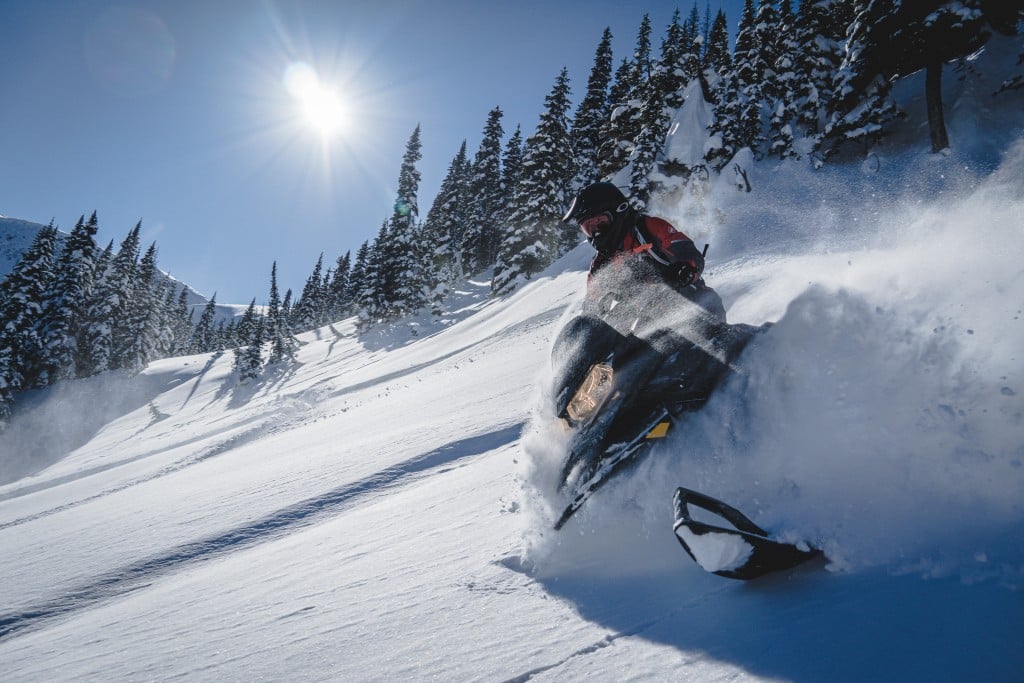
McAleney, who is a member of Fort St. John Search and Rescue (SAR), owns Highmark Avalanche Safety, providing field and classroom instruction on avalanche safety in alignment with Avalanche Canada-recognized material.
McAleney is also a contractor for Avalanche Canada.
When an avalanche buries an individual, there is a window of time to be dug out before running out of oxygen, according to McAleney.
“Once you’re buried, the snow packs around you. As you’re breathing, carbon dioxide kind of builds up in the snow around your head,” said McAleney.
“So, you have a certain amount of time — the best statistical evidence we have is about ten minutes. If you can be dug out and your airway cleared within ten minutes, you’ve got an 80 per cent chance of surviving an avalanche. But, from ten minutes at 80 per cent, it goes down to a 20 per cent chance at 30 minutes.”
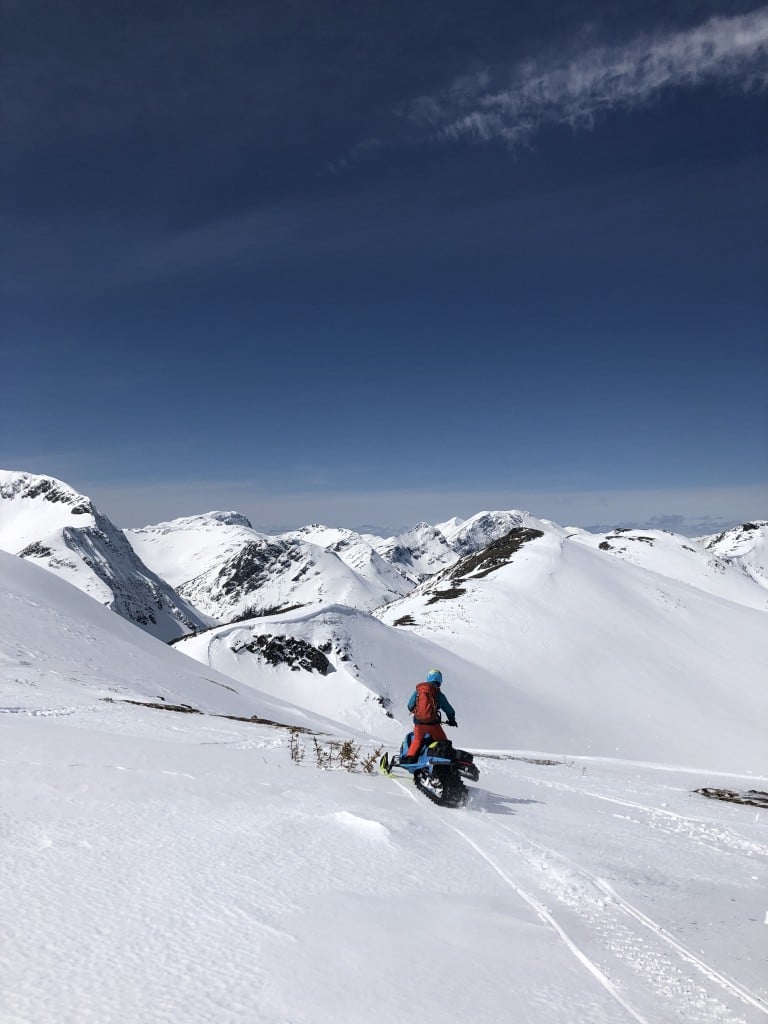
( Dave McAleney )
According to McAleney, 80 to 90 per cent of avalanche fatalities are triggered by the person caught or somebody else in their riding group.
Saturday’s fatality is the fifth to occur in the Chetwynd area since February 2020.
McAleney says the area is a popular spot for snowmobiling because it’s easy to access.
“There have been three fatalities in Hasler, one fatality in Bijou Falls, and one in Upper Burnt,” said McAleney.
“If you draw a 30-kilometre circle around Powder King, all of those locations circle that area. It’s all the same mountains, there are just different parts of it where people can access it. People tend to focus on certain riding areas.”
McAleney says that with the proper education, these fatalities could have been avoided. He estimates approximately 5,000 people in northeast B.C. and northwest Alberta ride snowmobiles in the Tumbler Ridge and Chetwynd areas.
“I’d say maybe 500 of those people have taken an avalanche safety course, and maybe 2,000 people have the gear and some clue of what they’re doing,” said McAleney.
“I think the biggest thing to speak to is there’s a huge misconception that avalanches are random. A lot of people that don’t have avalanche education think that it’s a gamble, and if one happens, it happens,” said McAleney.
“That’s not how it works. They’re forecastable, they’re preventable. They’re avoidable. If you know what you’re doing, it doesn’t have to happen.”
The B.C. Coroners Service reports 77 avalanche-related deaths in the province between January 11th, 2020 and April 30th, 2022, which equals an average of seven deaths per year.
Of those fatalities, 53 per cent happened in the interior, and 30 per cent occurred in northern B.C.
Snowmobiling was the most common activity, accounting for 51 per cent of avalanche-related fatalities, followed by skiing at 26 per cent.
McAleney emphasizes the importance of proper avalanche safety training and equipment, which, at this time, has not been made mandatory by the provincial government.
“You need to educate yourself. If you’re going to do something relatively risky, you should know how to do it safely, and you should know how to take care of yourself if something goes wrong,” said McAleney.
The avalanche safety instructor says there needs to be a shift in snowmobiling culture, and the industry as a whole could do a better job of encouraging riders to take the necessary steps to stay safe.
“Snowmobile dealerships and manufacturers could do a better job of advocating for safety to be part of the conversation,” said McAleney.
“When you buy a new snowmobile, the dealership could offer you a coupon for a discount off of an avalanche course. [They should] make that part of the conversation.”
More information about courses offered by Highmark Avalanche Safety can be found here.
Current, province-wide avalanche conditions and forecasts can be found by visiting Avalanche Canada’s website or downloading the organization’s app.
Stay connected with local news
Make us your
home page
Authors

Related Articles
Doig River First Nation councillors and Fort St. John Mayor speak of the opening of Naache Commons in the city
Both Doig River First Nation Chief and Council and Fort St. John’s Mayor had positive comments after the opening of the Nation’s Urban Reserve, Naache Commons in the city.

Arnie Isberg 1-pitch memorial tournament holds swansong this weekend
The tournament began in 2012 honouring Arnie Isberg, a Fort St. John resident who passed away from cancer the previous year.
RCMP investigating possible human remains found near the city
The RCMP is investigating a report of possible human remains, BC Hydro crew discovered on June 8th near the city.