
Dawson Creek implements water conservation efforts amid low Kiskatinaw River levels
Dawson Creek is implementing conservation efforts due to the low water levels in the Kiskatinaw River.
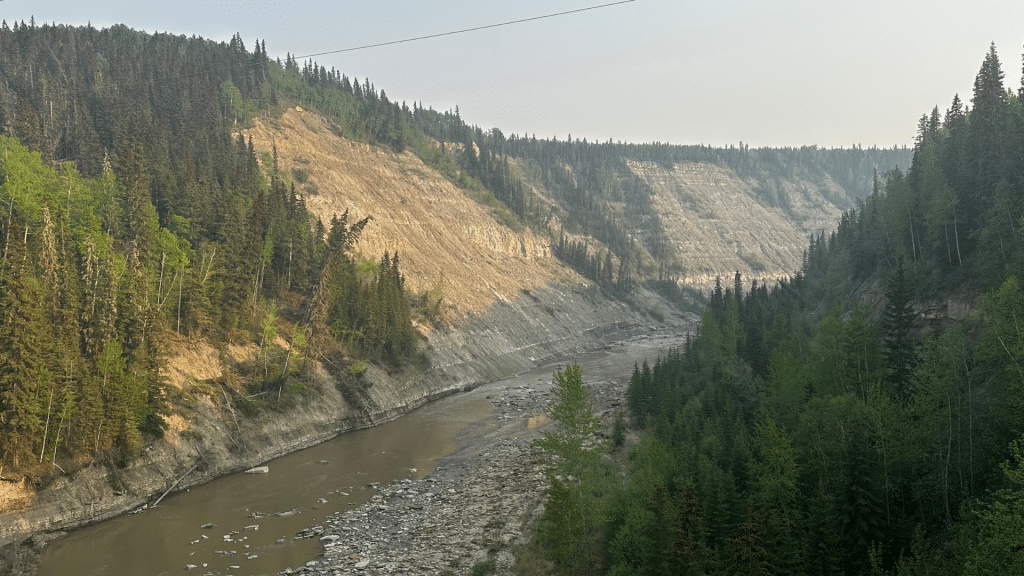
DAWSON CREEK, B.C. — Dawson Creek is implementing conservation efforts due to the low water levels in the Kiskatinaw River.
The city announced on Wednesday that it’s moving into the second stage of water conservation efforts as per its water conservation bylaw.
The decision came after a special council meeting on Tuesday.
As of February 5th, residents are not allowed to water lawns except on specified days and times by address; use a hose to wash boats or vehicles unless the hose has an automatic shut-off device; or haul water for non-potable use.
According to a release from the city, hauling bulk water for non-potable use is the area that will be affected most in the winter months.
The restriction does not impact hauling drinking water.
The city says water levels are being affected by drought, freezing conditions and industry demand.
Latest Stories
The province is experiencing a drought, and the northeast, including Dawson Creek, remains at the most severe level of drought.
Upstream from the city’s intake reservoir on the Kiskatinaw River is likely frozen because of the recent extreme cold, resulting in the river levels dropping and the river’s flow not keeping up with the city’s pumping rate.
The city says pumps were switched off to monitor the levels and better understand the current pumping capacity.
According to the city, there has also been an increased demand for potable water for industry over the past few months.
Over the years, the city has invested in other facilities to combat lower water levels.
The Bearhole Lake Weir was installed in 2009 to increase water levels in the lake, which can be released to supplement flows for aquatic, environmental and human use. The city is assessing this as an option.
The city’s reclaimed water facility can provide non-potable water to industry if required, producing approximately 4,000 cubic meters daily.
According to the city, the South Dawson Reservoir was built to provide water during droughts. The 1,00,000 cubic meter reservoir is at 95 per cent and, on its own, could safely provide the community with over 100 days of water. This usage would bring it down to about 40 to 50 per cent.
The city has additional raw water reservoirs that store 50 to 60 more days of water.
The City of Dawson Creek assures its residents that this is not an emergency, but careful planning and consideration will be necessary moving forward.
For more tips for conserving water, visit the water and environment page on the city’s website.
Stay connected with local news
Make us your
home page
Authors

Related Articles

South Peace Search and Rescue named ‘Your Co-op, Your Cause’ recipient
The South Peace Search and Rescue has been gifted a $1,000 donation from the ‘Your Co-op, Your Cause’ initiative

Dawson Creek Fire Fighters donate $10.2k to support new Dawson Creek Hospital project
The Dawson Creek Firefighters Charitable has donated over $10k in support of a family room at the new Dawson Creek hospital.

Dawson Creek RCMP begin investigation into deadly side-by-side incident
The Dawson Creek RCMP have announced an investigation into a side-by-side incident which left two children dead and three injured.