
Chetwynd, West Moberly, Saulteau develop Extreme Heat Response Plan
In preparation for the possibility of future extreme heat events, Chetwynd, Saulteau and West Moberly are developing an Extreme Heat Response Plan.
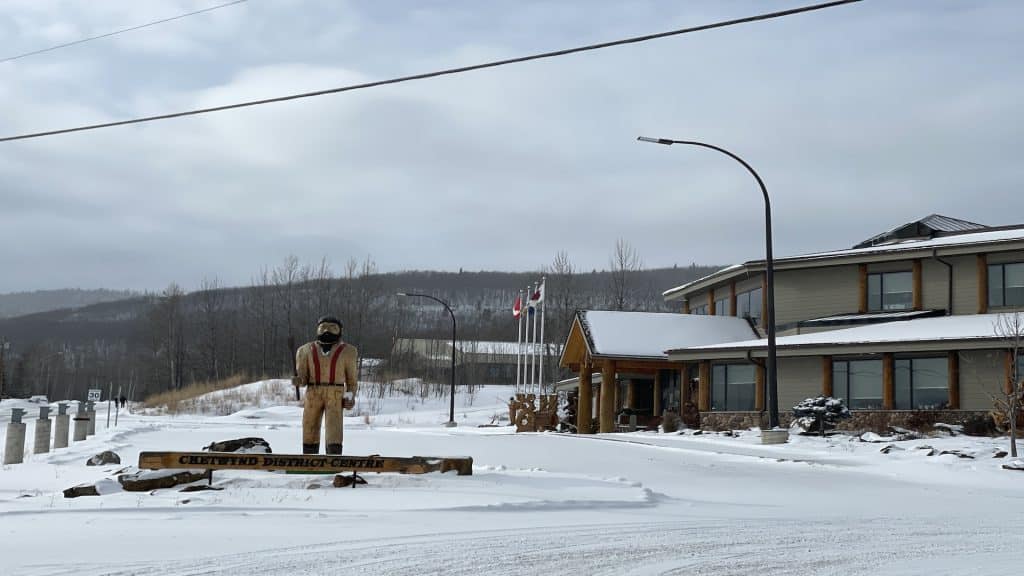
CHETWYND, B.C. — In preparation for the possibility of future extreme heat events, the District of Chetwynd, Saulteau First Nations, and West Moberly First Nations are developing an Extreme Heat Response Plan.
This proactive plan is a response to extreme heat events such as the “heat dome” that covered the province in the summer of 2021, leading to over 600 heat-related deaths.
In order to develop the plan, the three communities conducted an Extreme Heat Mapping Assessment to determine risks and address concerns in each location surrounding the occurrence of extreme heat events.
Each community was awarded funding through the Union of BC Municipalities’ 2022 Community Emergency Preparedness fund to conduct the assessment and develop a response plan.
The assessment found the District of Chetwynd faces several key risks related to extreme heat.
Identified concerns include a lack of air conditioning in medical centres and senior housing, heightened exposure to extreme temperatures for community members employed in outdoor resource sectors, and low awareness of heat safety due to the community’s northern and lakeside locations.
Additionally, the region’s susceptibility to extreme heat events, along with a limited capacity for adaptation, poses challenges.
Latest Stories
The assessment also highlighted environmental risks, such as the increased likelihood of wildfires.
The district faced obstacles in obtaining data on the spatial distribution of vulnerable populations and the prevalence of extreme heat-related comorbidities.
This limits the municipality’s ability to implement targeted measures.
Overall, the findings underscore the need for proactive measures and collaboration with external organizations to enhance the district’s resilience to extreme heat events.
The assessment found Saulteau First Nations grappling with significant challenges in their emergency response preparedness.
The community’s Emergency Response Plan is still under development, complicating timely and effective coordination.
While the “SFN App,” implemented in late 2023, sends out immediate push notifications during emergencies, several crucial gaps persist.
The absence of an emergency drop-in facility at Saulteau’s Medical Centre and extended ambulance response times leave community members without local healthcare access, particularly during evenings with peak indoor temperatures.
Additionally, Saulteau is in need of designated cooling centres, and housing developments for seniors and vulnerable populations lack air conditioning.
The environmental risks posed by extreme heat, including increased wildfire threats and impacts on traditional plant survival and water systems, further compound the challenges.
Community members’ low awareness of heat safety concerns, along with the vulnerability of critical infrastructures lacking backup power, present additional risks.
To enhance resilience, the assessment recommends integrating internal data on community comorbidities during extreme heat events into emergency planning, creating collaboration between emergency planning, housing, and healthcare staff.
The assessment found West Moberly First Nations addressing critical gaps in their Emergency Plan, which is currently under review for revisions.
The 12-year-old document, available in print and digital formats, isn’t accessible for all staff and leadership, hindering effective emergency response coordination.
Moreover, the community doesn’t have an official emergency alert system.
Despite challenges, West Moberly has an Emergency Operations Centre (EOC) Team with experience and a communication system for emergency alerts.
West Moberly’s Health Centre can receive individuals with heat-related conditions, but the absence of nurses or doctors limits treatment capabilities.
The community is not equipped with designated cooling centers, and its water treatment plant filtration system issues result in water shortages, though improvements are anticipated by early 2026.
Community members working outdoors face increased heat exposure, lacking formalized guidelines for working in extreme heat, creating a Workers’ Compensation Board (WCB) concern.
Environmental risks include heightened wildfire threats and climate change impacts on traditional plants, affecting water systems.
Limited awareness of extreme heat safety concerns among community members, and potential power outages, further challenges.
To address these concerns, West Moberly aims to improve emergency planning, enhance healthcare capabilities, establish cooling centers, and implement water system improvements.
Ongoing initiatives, like the feasibility study for a community microgrid, demonstrate a commitment to resilience and preparedness.
The assessment identified “Action Steps” planned to address the listed risks and concerns within each community.
The action steps, along with the full assessment, can be found below.
Stay connected with local news
Make us your
home page
Authors

Related Articles
Provincial and federal government commitment to forests to include Fort Nelson project
Total investments from the federal and provincial government toward reforestation and habitat restoration is $355 million.
Woman and dog die in Alaska Highway crash
Northern Rockies RCMP have reported a single vehicle car crash on the Alaska Highway ended with a woman and her dog dying on June 11th.

Fort Nelson Heritage Museum to host travelling hockey exhibit this fall
‘Hockey’, a travelling exhibit from the Gatineau, Quebec-based Canadian Museum of History, will come to Fort Nelson beginning in October.