
Peace River North MLA criticizes disaster management, proposed electric vehicle bills
Peace River North MLA Dan Davies is sharing his concerns on two bills coming off the heels of recent sessions at the Legislature in Victoria.
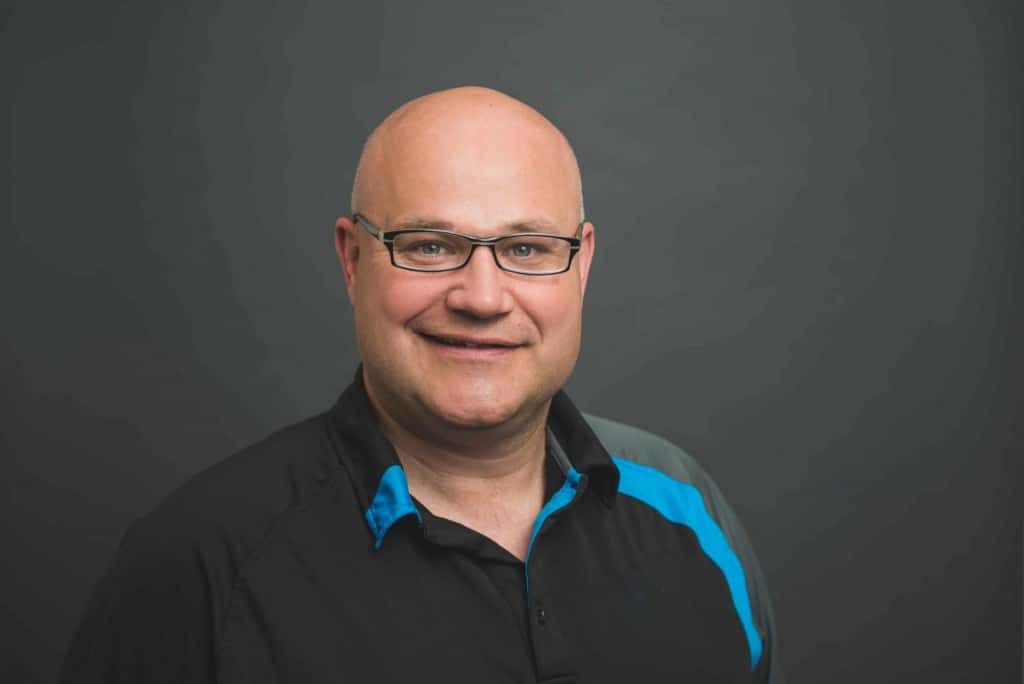
FORT ST. JOHN, B.C. — Peace River North MLA Dan Davies is sharing his concerns on two bills coming off the heels of recent sessions at the Legislature in Victoria.
Bill 31, or the Emergency and Disaster Management Act, looks at how the province manages disasters and was created to replace the Emergency Program Act.
Davies, as well as some Peace region residents, have shared their concern about how much power the bill gives the province during an emergency.
Local News Straight
to Your Phone
Download our app today!
Available on Android and iOS devices
“It’s full of holes. We have great concern that this piece of legislation is incomplete.”
He says the Members of the Legislative Assembly debated the act on Tuesday, and it went to a vote on Wednesday.
According to Davies, the legislation is still looking for public feedback until the end of the year, even though the bill was passed.
“We’ve already seen many challenges regarding landowners and the overreach of government and how they’re treating landowners,” Davies said.
Latest Stories
“You can just look in the past couple of years how things have been impacted on that, but this is just another way that the government is whittling away at landowner rights.”
He says during a debate in the legislature, the minister could not answer some of his questions about the new bill, including the difference between the Emergency Disaster Management Act and the Emergency Program Act.
“There are definitely some new pieces and the aspect of entering homes or forcing you off the land, and the fines and jail time, which is now something that’s also been added,” Davies said.
“It’s pretty draconian, pretty hefty and tough. Big stick kind of tough.”
For example, the minister may “appropriate, use or control the use of any personal property” and “use or control the use of any land,” according to the bill.
Davies says the BC United party does not support Bill 31.
The Emergency and Disaster Management Act passed its third reading this week.
Another bill discussed in the legislature this week was Bill 39, the Zero-Emission Vehicles Amendment Act.
The original act was passed in 2019 and required automakers to meet an escalating annual percentage of new light-duty zero-emission vehicle sales and leases.
“It was stupid then, and now they’ve bumped up the timeframes,” Davies said.
“They’ve added some different weight classifications and vehicles now in the new bill that we’re debating still.”
The amended bill will require automakers to sell 100 per cent zero-emission vehicles by 2035, whereas the old act had an end date of 2040.
Davies says British Columbians will be unable to purchase a vehicle that burns diesel, gas, propane or natural gas after 2035.
“It’s in the legislation, 90 per cent by 2030— 90 per cent of all vehicles being sold in British Columbia are going to be electric by 2030,” Davies said.
The amendments also specify the weight rating of the vehicles that will be required to be electric to be sold, which is 4,526 kilograms or less, or 10,000 pounds.
The weight threshold may include three-quarter or one-ton trucks, depending on the make and model.
“That’s ridiculous. I mean everything within the oil and gas industry, everything within the forest industry, the agriculture industry —everyone’s got half-ton and three-quarter-ton pickups that are working in the industry,” Davies said.
“How are you going to expect an electric vehicle to be going 200 kilometres out in the middle of the bush, spending the whole day out there… On a battery.”
The MLA says though it may work for people located in Victoria or Vancouver, it is unrealistic to expect this piece of legislation to work for anyone else who lives in more rural and remote areas, especially in colder places.
“We know batteries don’t work well in the cold,” Davies added.
Another concern he raised is the affordability of buying an electric vehicle or a truck that is over the weight threshold of the new legislation.
“We’re in an affordability crisis right now; this is going to add to that,” Davies said.
The Zero-Emission Vehicles Amendment Act passed its second reading in the legislature this week.
On October 31st, BC United unveiled policies to combat the cost of living crisis in B.C.
The Kevin Falcon-led government will reportedly immediately eliminate the provincial fuel tax, end the planned carbon tax hikes, remove the carbon tax from all home heating fuels and remove the carbon tax from on-farm fuel use.
“It’s a common sense tax relief, which is obviously around affordability,” Davies said.
The MLA says eliminating the carbon tax on home heating fuels is essential in the north because there is no choice on how homes are heated.
“This announcement by the federal government eliminated it on home oil, well, it should be on all home heating fuels because we have no choice but to heat our homes,” Davies said.
He says Fort St. John is already seeing colder temperatures, and when it’s minus 40 degrees Celsius in February, in-home heating will be necessary.
Stay connected with local news
Make us your
home page
Authors

Related Articles
CP NewsAlert: B.C. tells First Nations it wants to suspend DRIPA
VICTORIA — British Columbia’s government has proposed suspending its Declaration on the Rights of Indigenous Peoples Act, according to two sources in a meeting between Premier David Eby and First…

BC Ferries head says service remains reliable despite vessel disruptions
HORSESHOE BAY — The president of BC Ferries says service remains at “over 99 per cent reliability,” despite recent disruptions caused by two major vessels being out-of-commission just ahead of…
B.C. Premier David Eby temporarily replaces spokesperson with identical twin
VICTORIA — British Columbia Premier David Eby hasn’t had to familiarize himself with a new face in his office after deputy director of communications James Smith left for another job…