
BCWS says planning underway should Fort St. John need to be evacuated
In a press conference on Tuesday, the BC Wildfire Service (BCWS) said it is working with local governments on a plan in case Fort St. John’s evacuation alert is upgraded to an evacuation order.
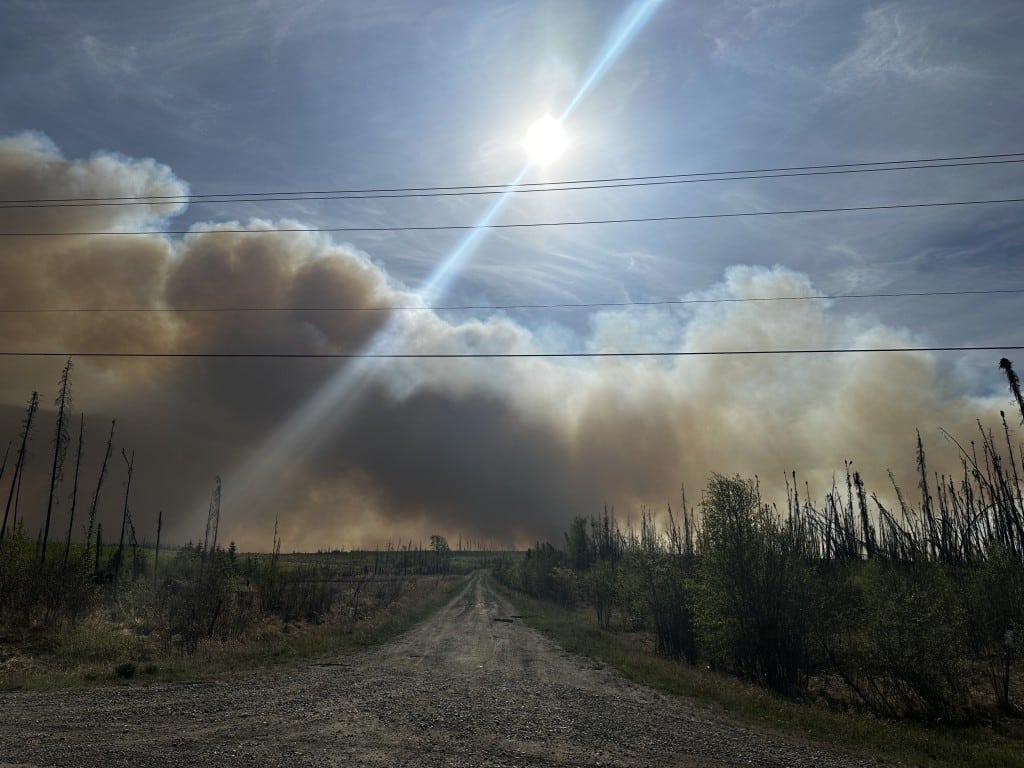
FORT ST. JOHN, B.C. — In a press conference on Tuesday, the BC Wildfire Service (BCWS) said it is working with local governments on a plan in case Fort St. John’s evacuation alert is upgraded to an evacuation order.
“We do have emergency management and ClimateReadyBC. The ministry is over there really planning out what this is going to look like should an evacuation order go in place. That includes things like lodging, but it also includes fuel, it also includes food,” said Clif Chapman, the director of provincial operations for the BCWS.
“That is part of the planning process that’s happening right now with the Emergency Operations Center in Fort St. John with emergency management and ClimateReadyBC.”
Local News Straight
to Your Phone
Download our app today!
Available on Android and iOS devices
At the press conference held in Kamloops on Tuesday morning, Chapman says the evacuation alert for Fort St. John due to the Stoddart Creek wildfire remains in place. As of Tuesday morning, the Stoddart Creek fire is approximately 23,500 hectares.
Crews working on the Stoddart and Red Creek fires Monday night had to be pulled from fighting the “head” of the fire due to a combination of the wind shift and the volatile fire fuel present in the northeast. Chapman says this does not mean that crews stopped working on the fires completely.
“If a fire has wind on it and can get up and run, it becomes extremely dangerous for our ground crews. We continue to fly aviation resources, but as the conditions are what they are in the northeast, it becomes ineffective, to be very honest,” said Chapman.
“Although we pulled back from fighting, I guess what you’d say is the head of the fire. We continue to work the flanks of the fires when we have those conditions because there’s still good work we can do in case there’s another wind shift to stop it from blowing out another way.”
Latest Stories
Chapman said that while winds are forecast to be more stable on Tuesday than they were on Monday, the service expects to see challenging weather conditions over the next few days.
“In the Northeast. We’re seeing that a ridge of high pressure that’s built in over Alberta, B.C., and Saskatchewan has stabilized. It’s going to sit over us for the next two or three days,” Chapman stated.
“We’re gonna see temperature records being broken, likely across the province—particularly in the north—but across the province, and we’re seeing drying of our fuels everywhere.”
Chapman says as that high-pressure ridge breaks down, the province will see temperatures drop back down to more seasonal climates, however, with this breakdown in pressure comes high winds and potential thunderstorms.
“It doesn’t always come with precipitation on the first day. What that means for B.C. is that we have a high likelihood of seeing fire start across the province.”
In response to anticipated challenging weather conditions and fire behaviour, Chapman says the BCWS is implementing a campfire ban across the entire Prince George Fire Centre, which will go into effect on Friday.
Category 2 and 3 fire bans, put in place for the northeast last week, will also go into effect for the entire Prince George Fire Centre as of Friday.
“We are attempting to prepare the province as best we can to be ready for what may come this weekend and what is coming even as we sit here today (Monday) with our fires in the north. These prohibitions are one of many things that we want and need to do across this province to ensure we’re as prepared as we can be,” Chapman said.
The BCWS is currently responding to 206 fires across the province, slightly above its 10-year average of 162. Chapman says while the number is higher, it’s not completely abnormal to have a spring fire season.
“We have had fire seasons actually in the Peace country, in the Prince George Fire Centre, I believe it was 2016, where we saw something very similar unfold and, and I will refer back to that fire season because after we saw the spring fire season, we actually had a fairly average summer,” Chapman said.
“Obviously, we’re breaking temperature records right now, so I would say that’s abnormal. But given what we’ve seen across B.C. in the last decade, in the last five years, I’m not surprised by much anymore. That’s why we have to turn to preparing for the worst, and ideally, the worst doesn’t happen.”
Chapman says the incident management team responding to the fires near Fort St. John has asked for more structure protection units and crews, and the BCWS is mobilizing those resources. He adds that funding opportunities through the community resiliency investment program may be available to the community after this fire season or even after the fires in the region are no longer active.
“There are lots of opportunities to sit down and discuss opportunities to use prevention and fire management objectives in and around the community of Fort St. John,” Chapman said.
Chapman advises residents to come together at this time and make sure they’re looking after one another.
“What we see whenever our staff are in these communities is the community really comes together. They work with us, and they work as a community to try to support one another. These are stressful times. There’s a lot of anxiety. There’s a lot of stress, a lot of unknown.”
“Make sure that you’re supporting one another and you’re looking after one another.”
Chapman says members of the BCWS continue to work to fight fires raging not only in the northeast but across the province.
“BCWS is a very proud organization in that we move around this province to try to support the people who live in different areas. We are putting everything we have to help suppress these fires and get people back home or, if you’re still home, to ensure you can stay home. That is our job. That is what we’re attempting to do,” he said
“Now, obviously, the conditions are challenging. We are monitoring the conditions to look for opportunities for us to have positive suppression efforts. But it’s challenging.”
As of Tuesday, there are 400 personnel responding to fires within the North Peace complex. That includes around 250 firefighters and 40 incident management teams, and support staff personnel.
BCWS also has 76 structure protection personnel working with them, as well as 22 heavy equipment operators and machines and 22 helicopters.
Stay connected with local news
Make us your
home page
Authors

Related Articles
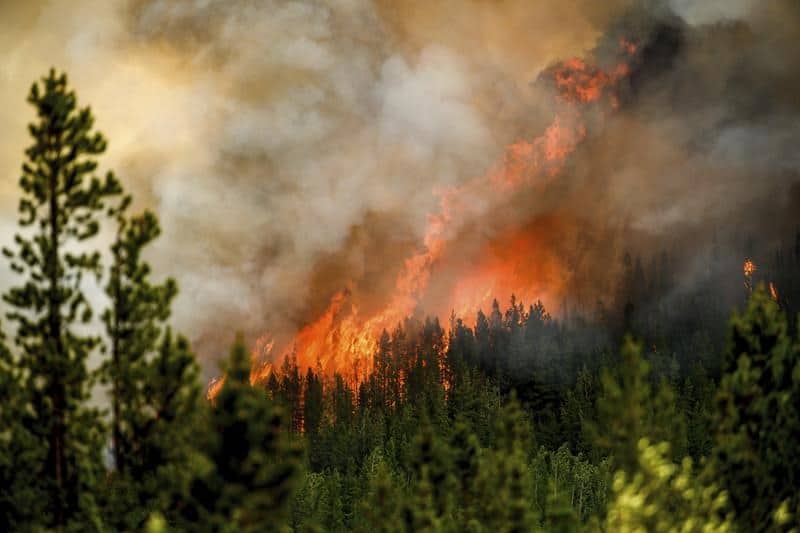
BC Wildfire Service readies for 2026 season with record 2,400 firefighter applications and more equipment in Prince George depot
The BC Wildfire Service has received around 2,400 firefighter applications and improved its equipment depot in Prince George in preparation for the wildfire season 2026, it said in a press release.
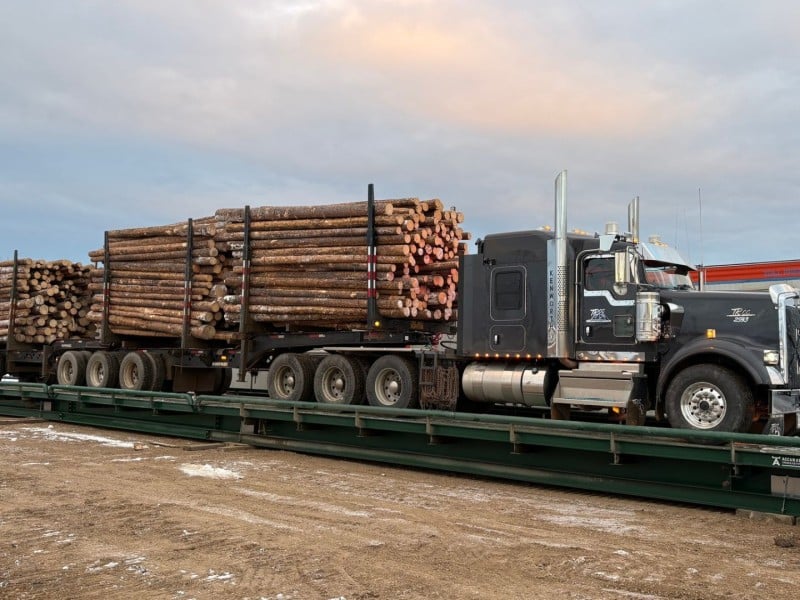
Fort Nelson community forest uses salvageable lumber funds for replanting
The Fort Nelson First Nation and Northern Rockies Regional Municipality gave an update on the sales of salvageable wood in its community forest.
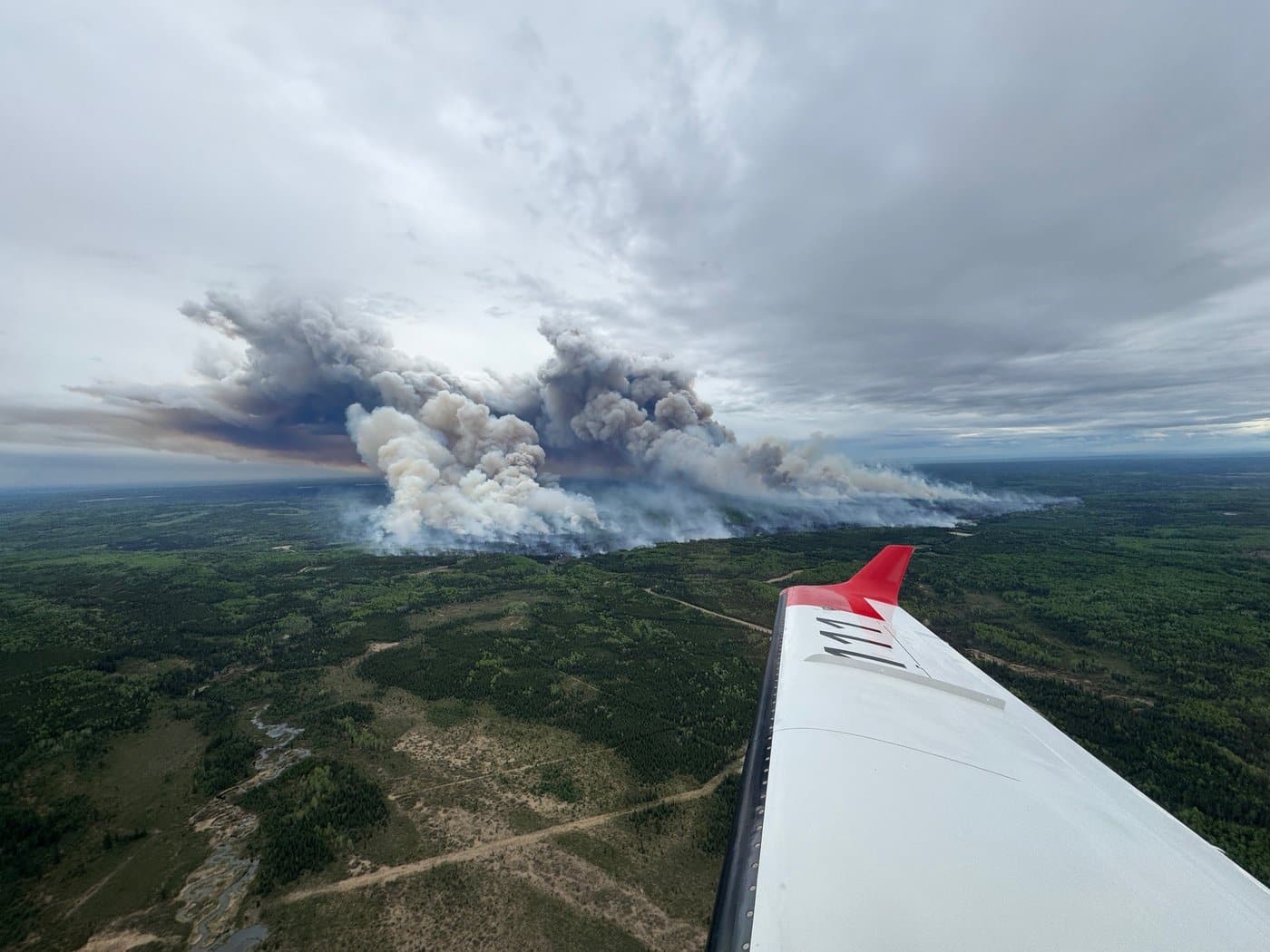
Fort St. John seeks new emergency support volunteers as wildfire season approaches
The City of Fort St. John is looking for volunteers to help the community during evacuations and other emergencies.