
Locals honour Missing and Murdered Indigenous Women
The Treaty 8 Tribal Association held a beading workshop and march for Missing and Murdered Indigenous Women, Girls and Two-Spirit People (MMIWG2S+) to encourage cultural learning and build awareness about Red Dress Day on May 5th.
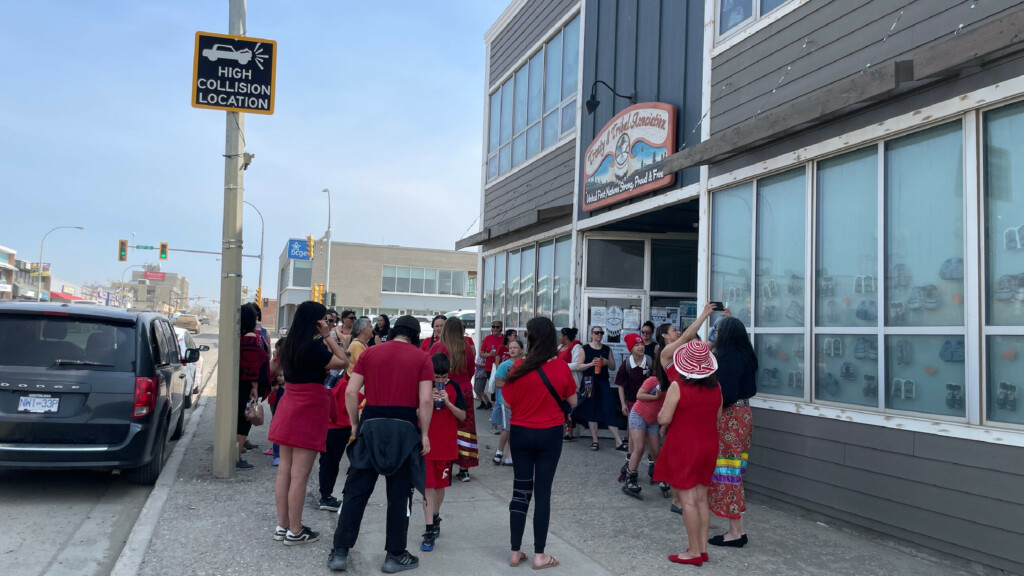
FORT ST. JOHN, B.C. — The Treaty 8 Tribal Association held a beading workshop and march for Missing and Murdered Indigenous Women, Girls, and Two-Spirit People (MMIWG2S+) to encourage cultural learning and build awareness about Red Dress Day on May 5th.
Alanna Moore and Connie Greyeyes, MMIWG2S+ Coordinators for the Indian Residential School Survivors Society (IRSSS), in partnership with Nenan Dane zaa Deh Zona Family Services Society, invited local community members on Friday to raise awareness and remember the lives lost.
Adrienne Greyeyes, executive director of Nenan, says it is important to remember and mark this day to showcase Indigenous people’s sufferings.
“And as Indigenous women, girls, and two-spirited people continue to go missing and murdered in our communities, the beading workshop aims to provide a safe space for Indigenous people, builds strength, and helps them in their healing journey,” said Adrienne.
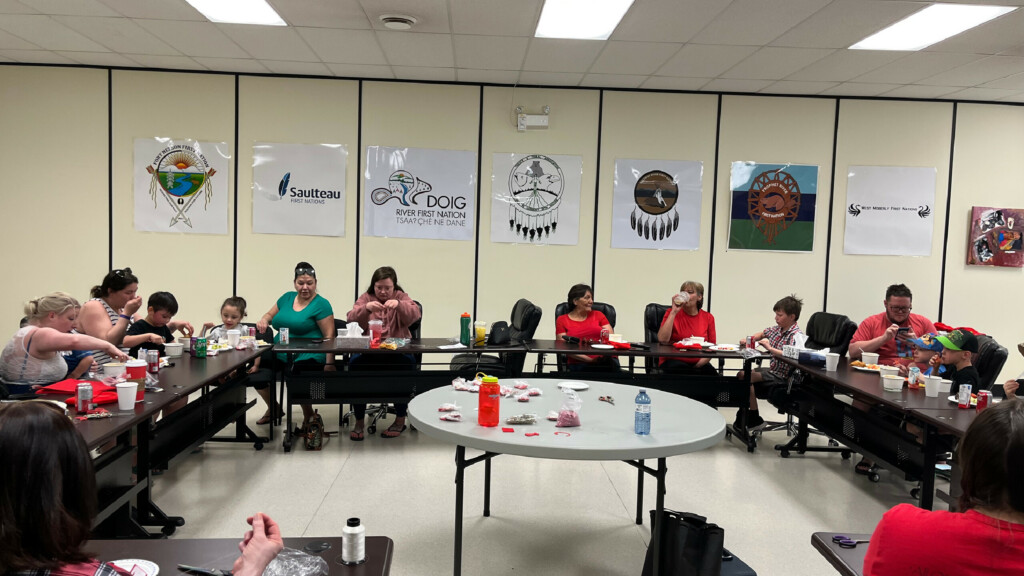
Moore says they hope to shed some light on the MMIWG2S+ crisis and honour and remember those who have not made it home to their families.
“Indigenous women and families have been calling for awareness to be drawn to this issue by hanging a red dress as part of the Red Dress Project one week before May 5th to one week after, to honour the women, girls, and two-spirit peoples who have gone missing or been murdered.”
Latest Stories
The final report of a national inquiry into Missing and Murdered Indigenous Women, Girls and Two-Spirit People was released in 2019 and included sweeping calls for change. It found Indigenous women and girls are 12 times more likely to be murdered or go missing than others in Canada.
Sixty-three per cent of Indigenous women have experienced violence, and nearly half have experienced sexual assault, Statistics Canada said in a report last year.
According to Connie, Red Dress Day is symbolic of Indigenous communities. She says many Indigenous people believe that hanging a red dress is a gesture that signifies the ‘spirit of departed souls’ to return home safely.
Connie says Indigenous communities pay their respects and remember those who have lost their lives through Indigenous cultural spaces and traditional art forms like beading.
“This is a day to pay respect to these beautiful souls that were with us and were tragically taken and stolen from us. They deserved to live their lives just like everyone else. With all the time lost with them, we will forever think of the what-ifs we could have shared with them. And we will miss the memories they gave us forever,” said Connie.
She says everyone, including the media, should be conscious of Indigenous issues and represent Indigenous communities through Indigenous perspectives.
“It is essential to have our voices as we suffered and are still suffering through the colonial policies,” said Connie.
Connie says Indigenous women are four to five times more likely to go missing or be murdered.
“This shows that Indigenous people are still suffering more than the other communities,” said Connie.
The MMIWG coordinators are encouraging non-Indigenous members to take the initiative and educate their children on colonization and its traumatic effects suffered by Indigenous communities.
“For those who are not as familiar with the ongoing crisis, I hope the event will provide them with new perspectives and vocabulary and leave them encouraged to further their learning.”
The MMIWG2S+ march on Friday in Fort St. John can be viewed below:
With files from The Canadian Press
Stay connected with local news
Make us your
home page
Authors

Related Articles
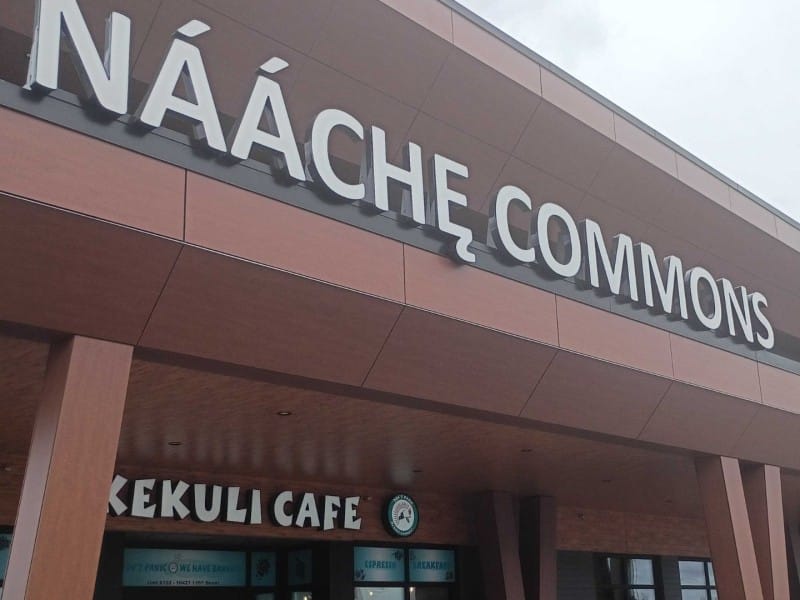
Doig River First Nation councillors and Fort St. John Mayor speak of the opening of Naache Commons in the city
Both Doig River First Nation Chief and Council and Fort St. John’s Mayor had positive comments after the opening of the Nation’s Urban Reserve, Naache Commons in the city.

Arnie Isberg 1-pitch memorial tournament holds swansong this weekend
The tournament began in 2012 honouring Arnie Isberg, a Fort St. John resident who passed away from cancer the previous year.
RCMP investigating possible human remains found near the city
The RCMP is investigating a report of possible human remains, BC Hydro crew discovered on June 8th near the city.