Local First Nation wildlife experts share their environmental beliefs
A few wildlife and land experts have expressed their belief that Indigenous people’s spiritual relationship with wildlife habitats is vital to preserving ecosystems for a healthy environment.
CHETWYND, B.C. — A few wildlife and land experts have expressed their belief that Indigenous people’s spiritual relationship with wildlife habitats is vital to preserving ecosystems for a healthy environment.
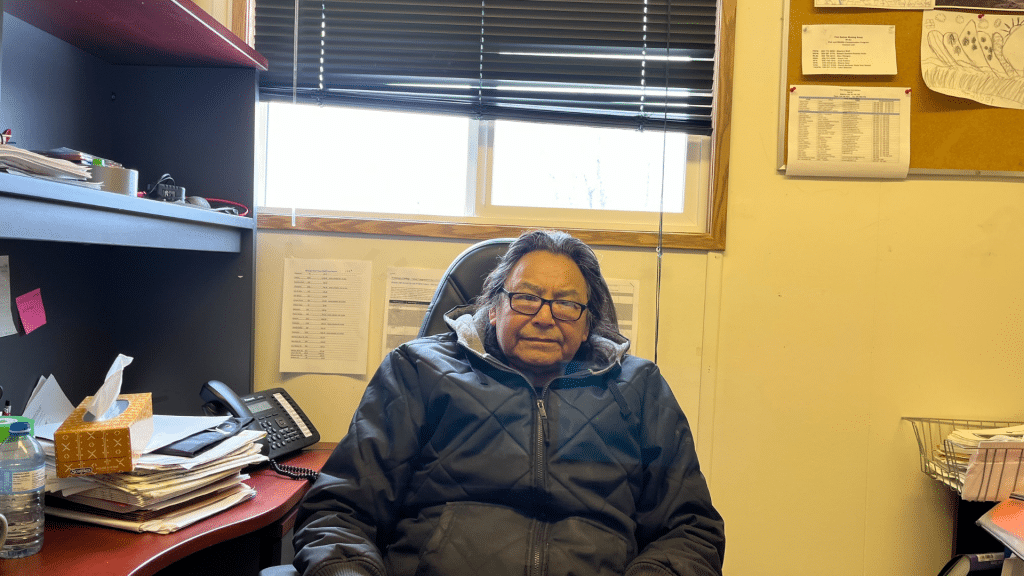
George Desjarlais, a wildlife technician for West Moberly First Nations and a former chief, believes wildlife signifies survival for First Nations. He says the First Nations’ approach towards wildlife and nature is rooted in their traditional understanding of lands and resources.
For Desjarlais, following a holistic ecosystem approach is crucial to preserve a conventional way of life in the modern scientific world.
Local News You Can Trust
Label us as a Preferred Source to see our stories more often
“I was privileged that I went to technical school in Chetwynd to study about lands and wildlife, but I also learned from Elders the importance of traditional knowledge to preserve our wildlife habitat,” Desjarlais said.
Desjarlais says cow parsnip highlights the importance of traditional knowledge. The plant is considered a weed in scientific terms and has no significant value, but for First Nations, it is a medicinal plant that heals and holds spiritual significance.
He feels that traditional Indigenous knowledge and scientific understanding of lands and wildlife are equally necessary to protect natural habitats. Parks Canada also recognizes the contribution of Indigenous knowledge to saving ecosystems.
“Parks Canada is committed to a system of national heritage places that recognizes and honours the historical and contemporary contributions of Indigenous peoples, their histories and cultures, as well as the special relationships Indigenous peoples have with ancestral lands, waters, and ice.”
Latest Stories
“Science and technology have their merits, but the traditional Indigenous knowledge will always hold its importance when it comes to wildlife habitat,” said Desjarlais.
Jeffery Metecheah, who works with the land department at Halfway River First Nation, says Indigenous people are the guardians of wildlife habitats and always ensure it is protected according to their surroundings.
“Our unique social and cultural landscape is connected to the lands and wildlife habitat our ancestors inherited,” said Metecheah.
Indigenous Circle of Experts published a report and pointed to the oil and gas development in the Peace region and the government’s new reforms focusing on decreasing land usage were decisive factors in the loss of wildlife habitat. The Indigenous Circle of Experts is an organization to protect Indigenous rights and offer guidance to contribute towards Canada’s conservation goals.
“The government policies took away not only the rights of Indigenous Peoples but their ability to exercise their responsibilities related to the land. The symbiosis between Indigenous Peoples and the spirits, animals, plants, waters and lands was— and unfortunately, is still—disrupted in many existing protected areas.”
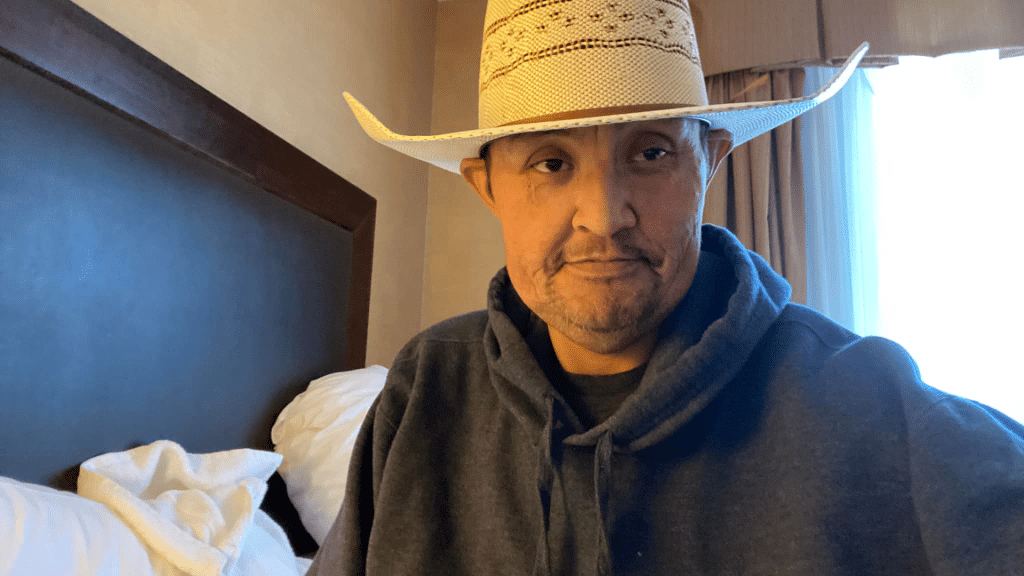
Metecheah says that part of his work at Halfway River First Nations is to monitor the land by their Indigenous knowledge to protect species at risk.
“Destroying wildlife habitat for advancement is not merely an environmental attack but an act of violence against the First Nations communities,” said Desjarlais.
He says everyone should understand the impacts wildlife has on Indigenous people and how traditional knowledge benefit all communities in protecting the wildlife habitat for a healthy environment and healthy people.
Desjarlais says Elders like himself share traditional knowledge to help combat the threat to their traditional practices, as their methods are deeply rooted in living in harmony with nature.
The Indigenous nations have recently led the conservation of natural resources and wildlife. The recent agreement between Blueberry River First Nation and the provincial government shows that progress is being made in the Peace region.
According to International Institute for Sustainable Development, 80 percent of the remaining biodiversity can be found on lands inhabited by Indigenous peoples. Desjarlais hopes the industry should adopt a holistic approach to protect ecosystems and respect Indigenous traditions for a better future for Mother Earth.
Stay connected with local news
Make us your
home page
Authors

Related Articles
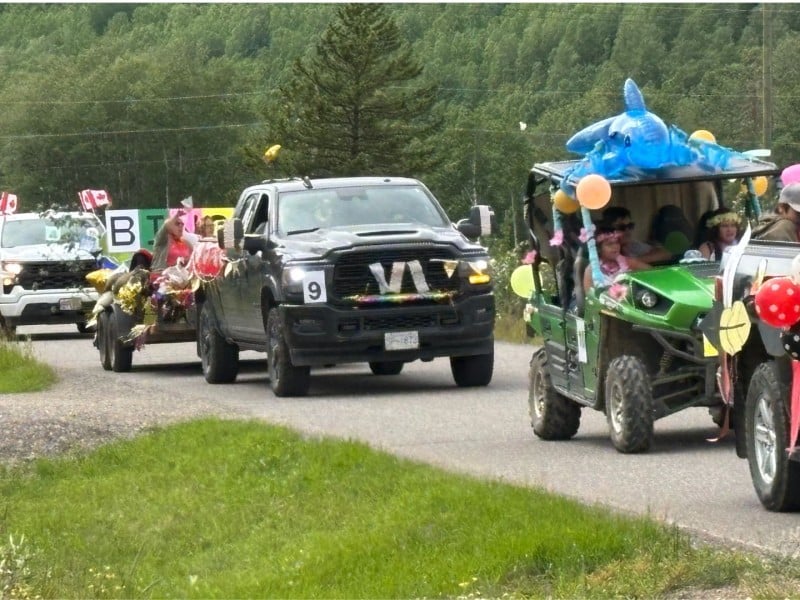
Pemmican Days returns to Saulteau First Nations this July
Pemmican Days, named after an Indigenous food made of tallow, meat and mixed berries, has been in the Saulteau First Nations community for four decades.
Saulteau First Nations finalizes EPA agreement for Taylor South Wind Project
The 30-year electricity purchase agreement was signed by Saulteau First Nations and B.C. Hydro
FNESS gives Fort St. John high marks after Indigenous Firefighting Competition
Sponsored by the First Nations Emergency Services Society (FNESS), representatives from 10 Nations took part in the provincial Indigenous Firefighting event on Saturday, June 27th.