
New report shows Indigenous language learning on the rise
The FPCC released its fourth Report on the Status of B.C. First Nations Languages, which revealed that Indigenous language learning is on the rise.
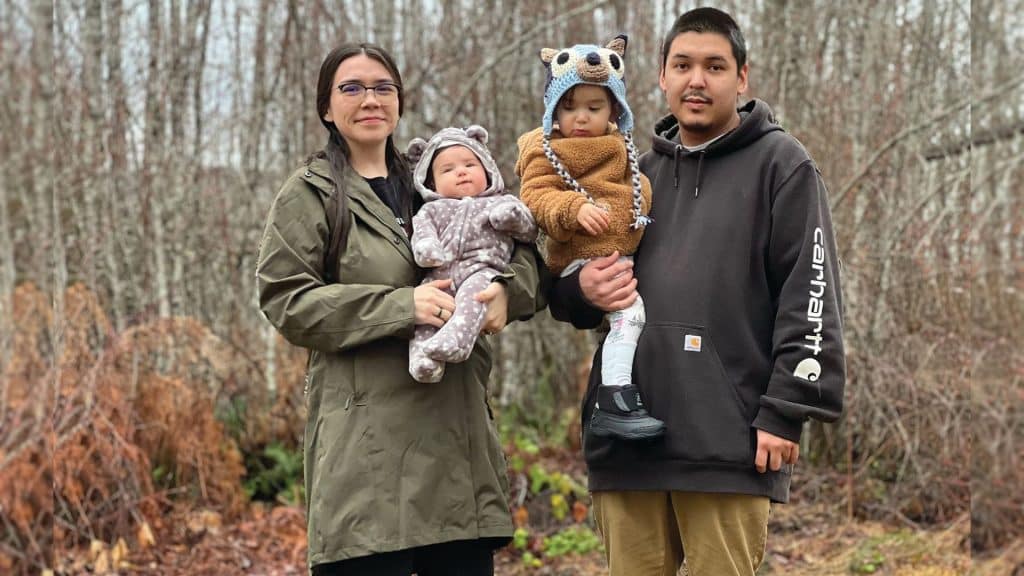
BRENTWOOD BAY, B.C. — The First People’s Cultural Council (FPCC) released its fourth Report on the Status of B.C. First Nations Languages, which revealed that Indigenous language learning is on the rise.
The report was released on February 21st and is the fourth put out by the FPCC since 2010.
The report showed positive progress in the revitalization of Indigenous languages in B.C. and reported on several areas that saw growth, including, the total amount of learners and semi-speakers, as well as an increase in learning opportunities for both adults and children.
Looking for something to do?
Check out our new Events Calendar!
Since 2018, the number of semi-speakers of an Indigenous language reported to the FPCC rose to 6,985. The number of people reported to be learning an Indigenous language increased by 21.4 per cent to 17,103.
The report also showed that the opportunities for both adult and child learners had increased since 2018.
In 2018, there were only two full-time Indigenous language programs in British Columbia. As of 2022, eight programs are now offered in seven different languages.
Furthermore, as of 2022, approximately 2,417 children are learning an Indigenous language in early childhood facilities such as language nests, Head Start programs, and other centres.
Latest Stories
There are 34 individual Indigenous languages spoken within British Columbia, and there are around 10,355 full speakers of these Indigenous languages, according to the FPCC report.
Board Chair of the FPCC, Dr. Lorna Wanosts’a7 Williams, said it was “encouraging” to see Indigenous communities collaborating and finding new ways to support language work in their communities.
“The 2022 Report on the Status of B.C. First Nations Languages is a reminder that we must put all our hearts and minds together towards language revitalization. Funding and resources to create opportunities for younger generations to learn their languages help all of us to connect the past, present and future. Together is how we will get there,” Williams said.
To learn more about Indigenous language learning programs in British Columbia, visit the First People’s Cultural Council’s website.
The Fact Sheet for the Report on the Status of B.C. First Nations Languages can be read below:
Stay connected with local news
Make us your
home page
Authors

Related Articles
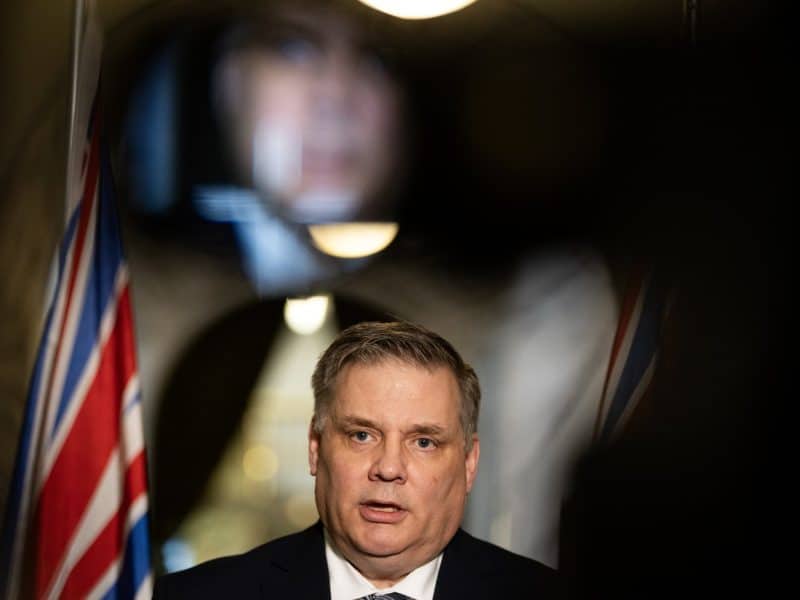
Conservative leadership hopeful Milobar changes campaign manager after investigation
VICTORIA — Peter Milobar will be without his longtime campaign manager during the final stretch of the race to become the new leader of the Conservative Party of B.C. amid controversy stemming from a 2024 website and mail-out. Milobar’s campaign said in a statement released Saturday on social media that

Police in B.C. after investigating fatal collision between motorcyclist, semitruck
VICTORIA — Police in Delta, B.C., say a 31-year-old man is dead after his motorcycle collided with a semi-truck on a major bridge in Metro Vancouver. A statement from Delta Police says the motorcyclist was pronounced dead at the scene following the collision on the Alex Fraser Bridge on Saturday
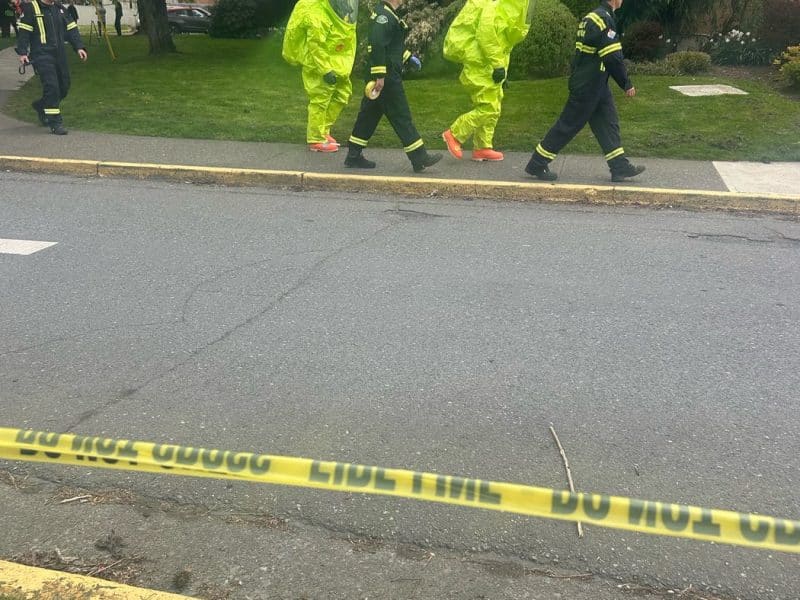
City spokesperson says Crystal Pool is safe again, but remains closed until Tuesday
VICTORIA — All eight people taken to hospital Friday after two chemicals combined to create chlorine gas in a Victoria recreation facility have been released, as the investigation into the exposure continues. Colleen Mycroft, the city’s intergovernmental and media relations manager, says WorkSafeBC staff are continuing their search for the