
Local First Nation members believe in healing through forgiveness
Some Local First Nations members have expressed their belief that forgiveness and healing are essential steps toward reconciliation and acknowledgement of Canada’s traumatic history.
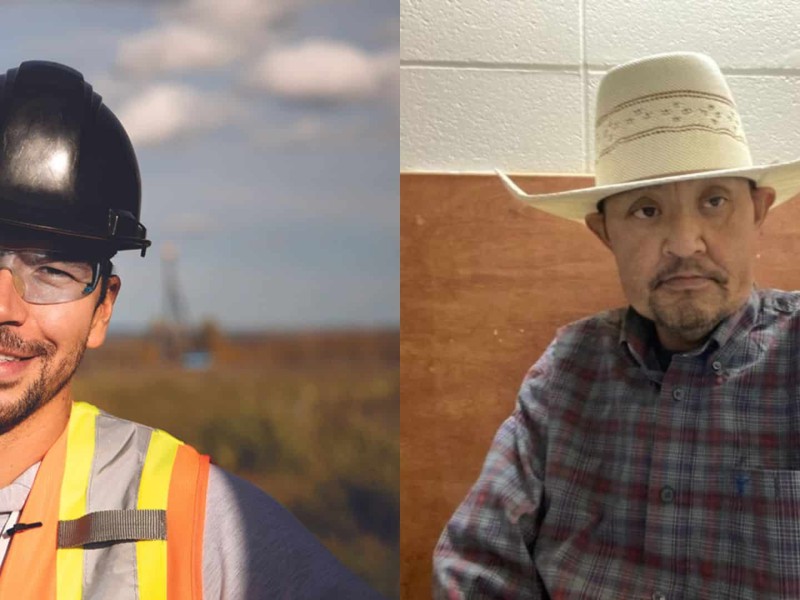
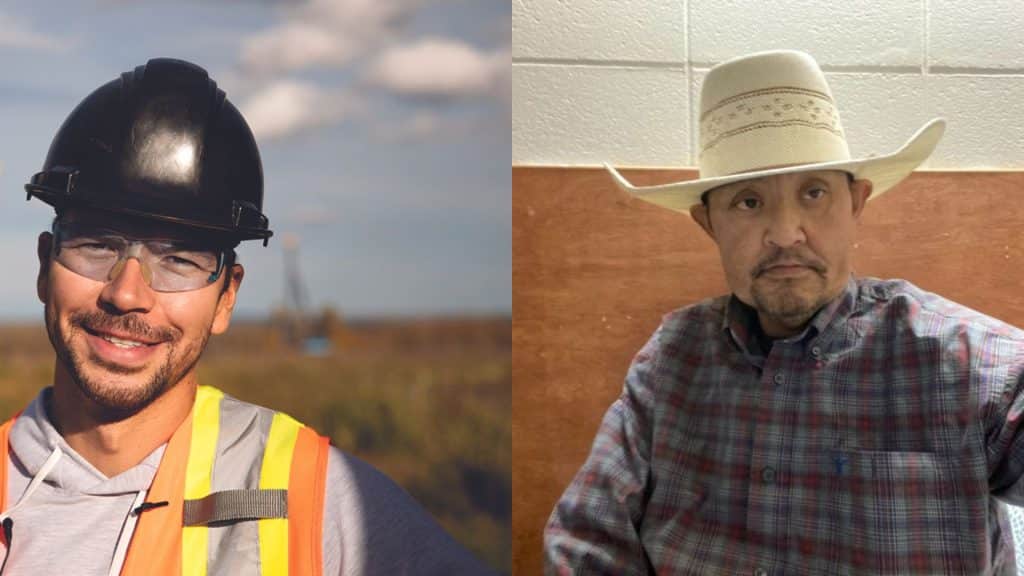
FORT ST. JOHN, B.C. – Some Local First Nations members have expressed their belief that forgiveness and healing are essential steps toward reconciliation and acknowledgement of Canada’s traumatic history.
Indigenous people and Canada have a turbulent history dating back to colonial times. The discovery of the remains of 215 children buried at the residential school in Kamloops in 2021 seemed to push all levels of government to make an effort in the name of reconciliation. However, the traumatic experiences remain in the memory of the First Nation communities.
Saulteau First Nation chief Justin Napoleon believes in the traditional principle Kiyam (to let go), which is a part of Saulteau First Nations’ thinking.
Local News Straight
to Your Phone
Download our app today!
Available on Android and iOS devices
As an Indigenous leader, Napoleon believes Kiyam is necessary for healing and personal growth after the harrowing experiences Indigenous people endured as a community.
When dealing with such themes, Napoleon thinks it is essential to understand the relations between the colonizer and the oppressed. He believes that “letting it go doesn’t mean we forget our history and what we went through as a community.”
Clarence Apsassin, a residential school survivor, believes that forgiving colonizers signifies strength for First Nation communities. His traumatic experience at a residential school still haunts him, but it also strengthens his belief in his community.
Apsassin, a former Treaty 8 Tribal Chief and Blueberry River First Nation member, realized the potential of his language and identity at a residential school by stating language guides individuals through difficult periods.
Latest Stories
“Through suffering, we become closer to our roots and ancestors.”
Halfway River First Nation member Jeffery Metecheah explained forgiveness could never be understood through one perspective. He said it is impossible for some First Nations communities to forgive. However, this does not mean those communities cannot heal.
“Healing is still possible without forgiveness,” Metecheah said.
Metechaeah not only claimed, “we should not limit forgiveness to a single perspective or definition,” but also focused on dialogue which is crucial to understanding the implications of forgiveness and healing.
Despite First Nations still having to fight, progress is being made, such as the recent agreement between Blueberry River First Nation and the provincial government and the recent TLE settlement signings in the Peace region.
Stay connected with local news
Make us your
home page
Authors

Related Articles
Dance fundraiser to be held in honour of Dawson Creek firefighter captain injured on Highway 97
June’s Boots and Beer fundraiser is in aid of the Dawson Creek Firefighters Charitable Society for an unnamed hospital project.
(Opinion) ‘Mr. Thorlakson doesn’t know what he is talking about on new pool project’
Solicitor and barrister Tyler Holte writes in response to a piece by Steve Thorlakson respecting plans for a new pool in Fort St. John.
(Opinion) ‘If Fort St. John has wisdom, it will go back to table on new pool’
Former Fort St. John mayor Steve Thorlakson writes on his reaction to the budget proposals for the North Peace Leisure Pool replacement.