
Chetwynd included in “considerable” avalanche risk area
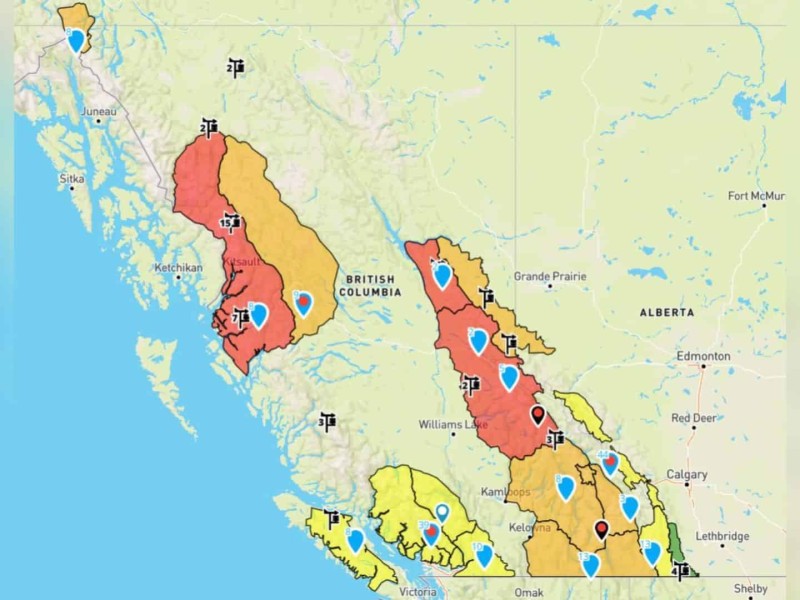
VICTORIA, B.C. — The District of Chetwynd has been included in an area Avalanche Canada says is at a “considerable” risk for avalanche activity.
The provincial government is urging the public to exercise extreme caution due to “high” or “considerable” avalanche risks forecasted across many areas of B.C.
According to Bowinn Ma, the Minister of Emergency Management and Climate Readiness, avalanches have already killed five people in the province this season.

“Avalanche Canada continues to forecast dangerous snowpack, and we’re urging everyone to exercise heightened levels of caution and vigilance in the backcountry this season,” said Ma.
“This year’s snowpack is being compared to 2003, which was one of the worst years for avalanche fatalities.”
Additionally, approximately 73 per cent of Canadian avalanche fatalities have been in British Columbia over the last decade.
Avalanche Canada’s website can be checked for forecasts and conditions.
Latest Stories
Ryan Buhler, a forecast supervisor with Avalanche Canada, explained that it is harder to see the clues of instability due to how deep the snow is.
“However, despite the lack of obvious clues, there is serious potential for large, human-triggered avalanches,” said Buhler.
“We urge backcountry users to exercise caution and make conservative, low-consequence choices if they decide to travel in avalanche terrain.”
Avalanche Canada expects these conditions to last the remainder of the winter in some areas.
In 2021, the provincial government provided a $10-million grant to assist Avalanche Canada with the funding required to continue working to keep British Columbians safe.
Avalanche Canada’s advice for backcountry users:
- Avoid steep, shallow, and rocky terrain features.
- Everyone in the party needs essential gear, such as a transceiver, shovel and probe, and equipment training.
- Adopt a cautious mindset when in avalanche terrain.
- Be diligent about terrain choices. Stick to slope angles of less than 30 degrees when in clearings, open trees, and alpine terrain can help minimize risk.
- Ensure each group member is engaged in terrain selection.
- Minimize exposure to overhead hazards.
- Travel one at a time when exposed to avalanche terrain and regroup in safe spots away from overhead hazards.
- Avoid exposure to terrain traps, such as gullies, cliffs, and trees, to reduce the risk of being caught in an avalanche.
- Practice patience, avoid complacency, and accept that these risks may need to be managed for weeks or months to come.
Stay connected with local news
Make us your
home page
Authors

Related Articles
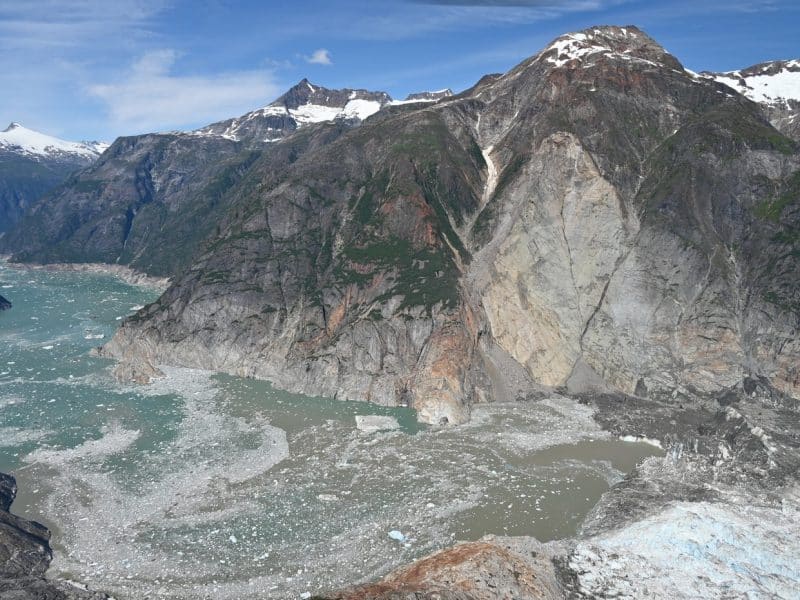
Alaska landslide set off CN Tower-sized tsunami last year — and a warning for B.C.
When millions of tonnes of rock fell one kilometre into an Alaskan fiord last year, it set off one of the largest tsunamis ever recorded, a monstrous 481-metre wave higher than the tallest viewing platform of the CN Tower, a new study shows. Dan Shugar, an associate professor at the

B.C. man’s killing spurred housing law reform. Relatives wonder why it’s unsolved
It’s been just over a year since Keith Scott was found dead in a Victoria supportive housing building, and his ex-wife says their daughter still asks every day why the killer hasn’t been brought to justice. “I don’t have an answer for her,” said Cassie Bate. The homicide of Scott
Lawyer says client didn’t try to kill Vancouver café patron. Crown calls accused liar
VANCOUVER — The judge in the murder trial of a man who stabbed a Vancouver café patron to death has been presented with two views of the suspect — as someone unable to understand the consequences of his actions due to an “unmedicated psychotic state,” and as a liar whose