
Fort Nelson First Nation lands historic tenures from B.C. Government
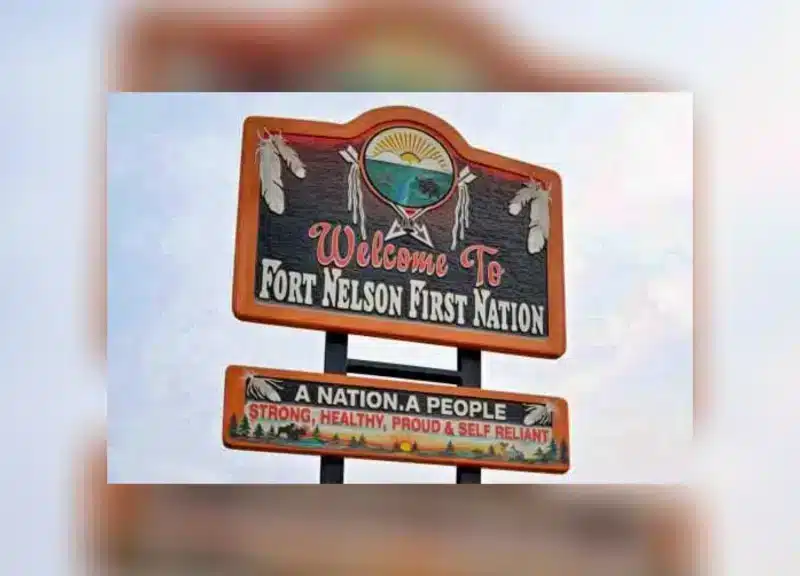
FORT NELSON FIRST NATION TERRITORY, B.C. — The Fort Nelson First Nation (FNFN) has secured a forestry tenures commitment from the B.C. Government.
This follows negotiations that have been going on since 2017, according to a release from the Nation.
The B.C. Ministry of Forests has set out a tenures offer with a total quantum of 1.26 million cubic meters per year, making it one of the largest forest tenures commitments ever made to a First Nation.
The commitment of forest tenures, which includes a First Nations Woodland Licence, a Replaceable Forest Licence and several Non-Replaceable Forest Licences, is reportedly to enable the construction and operation of the FNFN pellet facility project in partnership with Peak Renewables Ltd.
Local News Straight
to Your Phone
Download our app today!
Available on Android and iOS devices
This project will see the construction of a 600,000 metric tonne-per-year pellet plant in FNFN territory.
“This is the opportunity of a lifetime for our people,” said FNFN Chief Sharleen Gale.
“We have worked hard to bring this tenures commitment home. With these licences, we are on the doorstep of creating a viable forest economy in our territory that will bring lasting benefits to our people and everyone in our territory for generations.”
The pellet plant and associated logging operations will reportedly provide employment and contracting benefits for the Nation’s members, other First Nations, the town of Fort Nelson and the surrounding region.
Latest Stories
The release states that forestry planning for all tenures in the Fort Nelson Timber Supply Area will be subject to the FNFN Land Management Framework applied to long-term forest plants.
The Land Management Framework is in place to protect a wide range of valuables that include traditional use areas and values, riparian (or wetland) values, wildlife and habitat values, old-growth forest management, and landscape connectivity.
The Land Management Framework represents a best practice for sustainable forestry management, the release says.
FNFN and Peak Renewables have applied Land Management Framework value constraints when generating the tenure configuration used in the recent tenures commitment.
The release says that an ongoing commitment to forest regeneration will be a hallmark of the project.
“FNFN has a vision to balance economic security with respect for our traditions, culture and connections to our land,” said FNFN Lands Director Lana Lowe.
“We developed the Land Management Framework to guide land use planning across a host of important cultural and ecological values and to establish a process that will allow us to fulfill FNFN’s Land Use Vision. The adoption of our LMF in forestry operations represents FNFN exercising our treaty rights and responsibilities to manage our land in line with our nation’s values and aspirations.”
Before the facility’s construction can begin, the railway between Fort St. John and Fort Nelson needs to be upgraded to become commercially viable. This railway is owned by B.C. and is currently sub-leased to CN.
Project partners are reportedly working to build a coalition among interested parties, including the provincial and federal governments, to achieve this upgrade.
“With the delivery of fibre commitments from the Ministry of Forests, our pellet facility project has huge momentum,” said Chief Gale.
“Now, the very last piece of the puzzle is a commercially viable rail transportation option. In order for the forest opportunities to be realized, we need both the provincial and federal governments to unlock this opportunity by making a direct investment in the railway upgrade – doing so will be a recognition of our government’s commitment to UNDRIP and true economic reconciliation,” she continued.
The release says that, from 1974 onwards, $12.6 billion in oil and gas royalties and tenure sales have been taken out of FNFN territory by the B.C. government.
FNFN’s territory has contributed wealth to others in B.C. while the local economy suffers, said the release.
“The needed capital is a fraction of the wealth that has been taken from our land,” concluded Chief Gale.
“Without a contribution from B.C. and Canada, this once-in-a-generation opportunity will be lost. The survival of our community depends on it.”
Stay connected with local news
Make us your
home page
Authors

Related Articles

Fort Nelson Community Literacy Society executive director named Co-op Community Champion
March’s Co-op Community Champion has been named as Seanah Mollica, executive director of the Fort Nelson Community Literacy Society.
Northeast B.C. communities to be given $86,000 for firefighting equipment
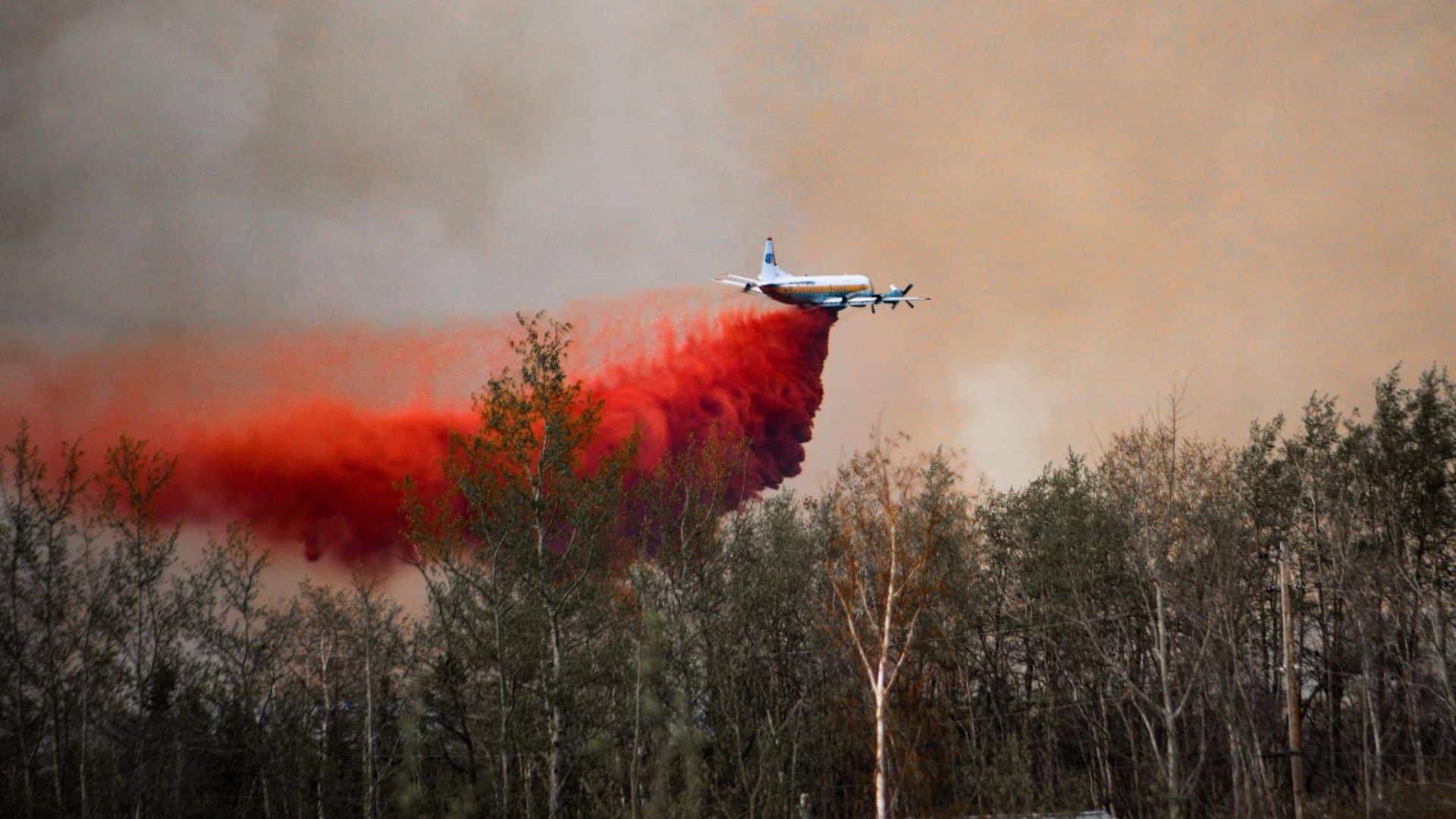
Tumbler Ridge, Pouce Coupe and the Northern Rockies Regional Municipality are the communities in northeast B.C. to receive funding for firefighting equipment from the Ministry of Emergency Management and Climate Readiness.
Fort Nelson dog musher wins Alaskan ‘Triple Crown’ for third time
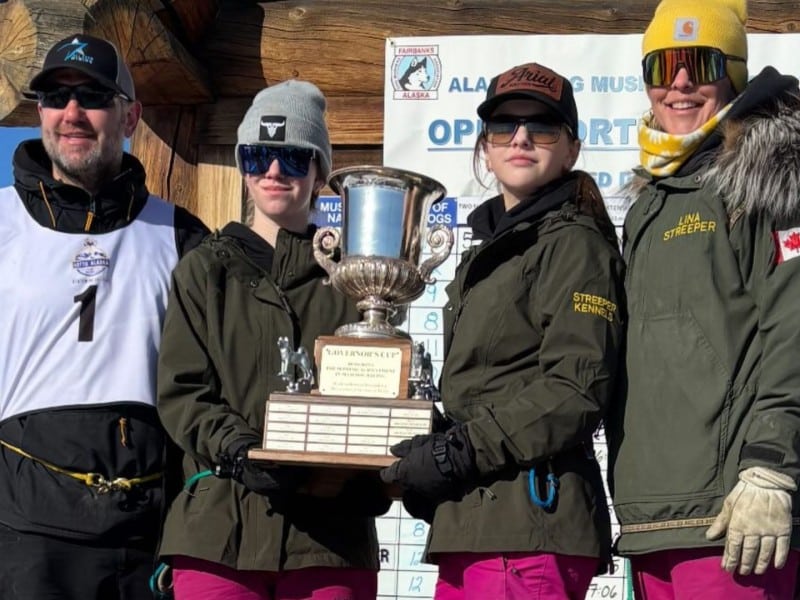
Blayne “Bud” Streeper of Fort Nelson’s Streeper Kennels Racing Dogs secured the ‘Triple Crown’ of dog sledding after he captured the ‘open’ division title at the Tok Race of Champions 2026 in Tok, Alaska.