
CRTC seeking feedback to improve telecommunications in “Far North”
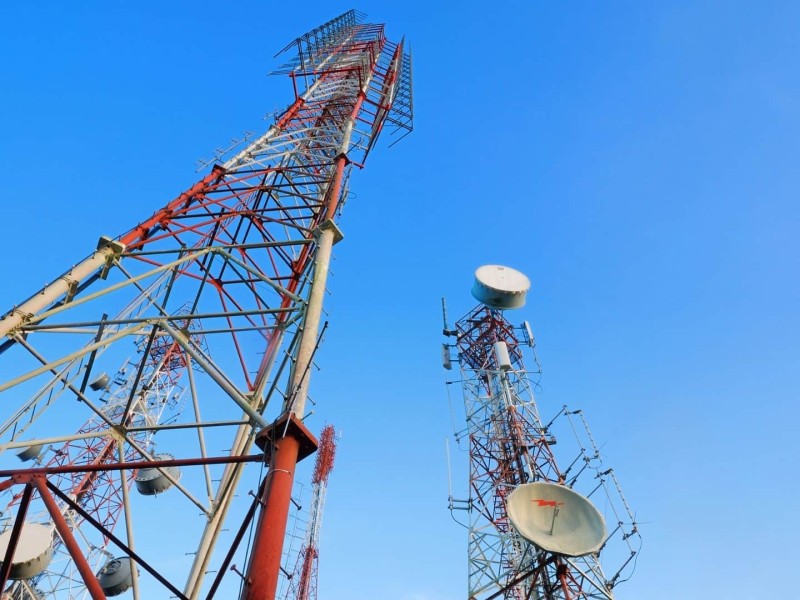
FORT NELSON, B.C. – The Canadian Radio-television and Telecommunications Commission (CRTC) is launching the second phase of public consultation on the actions it should take to improve telecommunications services in remote northern areas.
Commencing on Wednesday, the second phase seeks to gain information on what the commission should do to make home and internet services in the “Far North” more affordable, reliable, and competitive. The commission is also looking for comments on how to better support reconciliation with Indigenous Peoples.
“Geography has played a significant role in the telecommunications options available to consumers in Canada. We need to collaborate with people living and working in the Far North to ensure they have a similar level of service as the South,” said CRTC Chairperson and CEO Ian Scott.
“We want to hear from all Canadians, especially from Indigenous Peoples in the Far North. This is your chance to tell us about the particular needs for broadband Internet and telephone services in your community.”
Local News Straight
to Your Phone
Download our app today!
Available on Android and iOS devices
The CRTC invites comments from residents located in Blueberry, Fort Nelson, Lower Post, Mould Creek, Muncho Lake (Fireside and Liard River), Pink Mountain, Prophet River, Toad River, Upper Halfway, Wonowon and other communities in Northern B.C.
“The CRTC is seeking to improve telecommunications services in the Far North, an area with an estimated population of 132,800 residents in 96 communities of the Northwest Territories, Nunavut, the Yukon, communities in northern British Columbia, and Fort Fitzgerald, Alberta, which extends approximately 3,500 kilometres from east to west, and covers nearly 40 per cent of Canada’s land mass,” the commission said in a release.
The commission says comments received during the first phase of consultations, along with data collected through public opinion research, allowed it to narrow the scope of issues it should address in this phase.
“During the first phase of the consultation, residents of the Far North told us that everyone living in Canada should have affordable access to telecommunications services that are reliable and that allow for the same online activities as those available in the south, such as video conferencing,” the commission said.
Latest Stories
This isn’t the only initiative to attempt to expand connectivity in the North.
The provincial government announced earlier this year that through an agreement with the federal government, $830 million would be available to rural, remote and Indigenous communities to close the digital divide through the StrongerBC Economic Plan.
According to the province, that funding will allow approximately 115,000 households in rural, remote and Indigenous communities that are still underserved to have the same digital economic opportunities as larger urban communities.
For more information about the CRTC’s efforts, the commission has put together a complete summary of the consultation, which can be found here.
Residents have until October 6th, 2022, to submit their feedback, which can be done by engaging in the CRTC online consultation platform, filling out the online form, faxing to 819-994-0218, or writing to the Secretary-General, CRTC, Ottawa, Ontario K1A 0N2.
Stay connected with local news
Make us your
home page
Authors

Related Articles
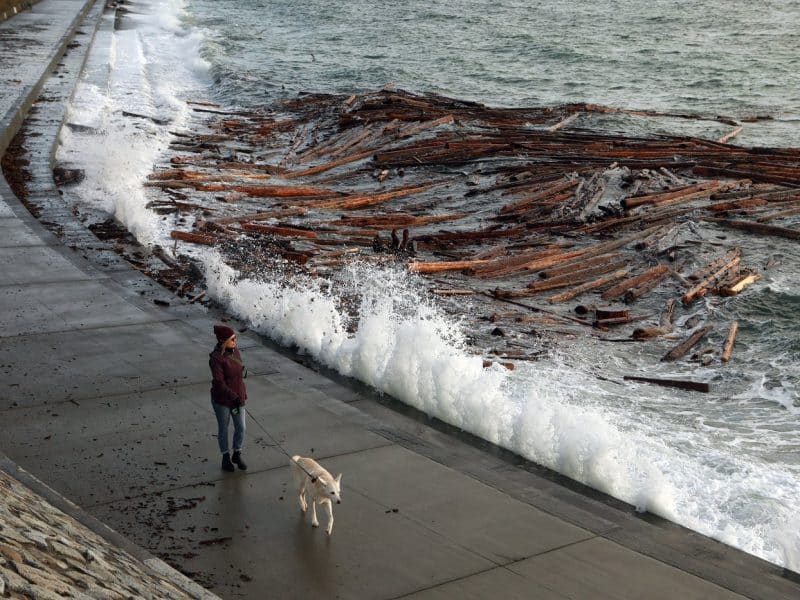
Environment Canada says strong winds are coming to parts of B.C. starting on Monday.
VANCOUVER — A special weather statement issued for much of British Columbia’s southern coast and parts of Vancouver Island is warning of “strong and gusty” winds starting on Monday. The…
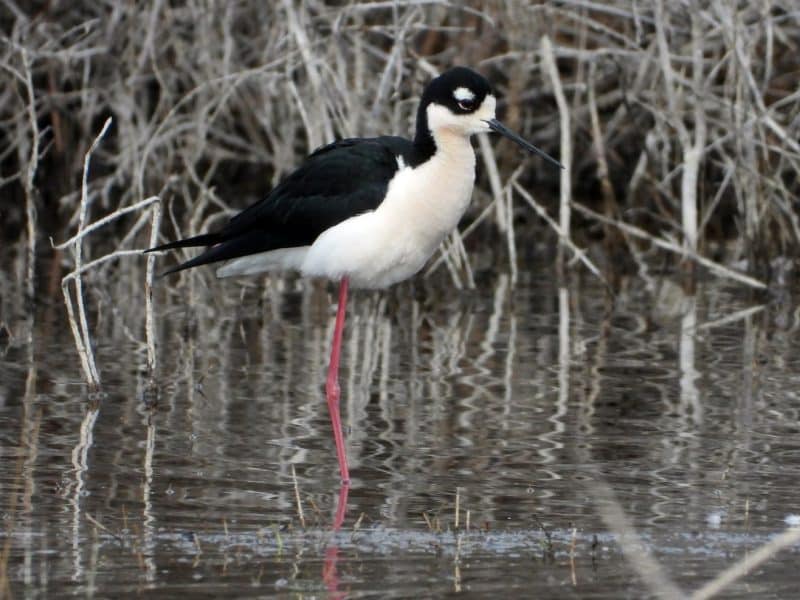
University study finds few improvements to at-risk species in B.C.
VANCOUVER — As spring blooms in British Columbia, the brilliant orange-and black pattern of a monarch butterfly’s wing and the distinctive cream cap on a black male bobolink songbird are…
B.C. RCMP officer injured after crash during motorcycle training exercise
SURREY — Two BC Highway Patrol officers were taken to hospital, including one with serious injuries, after crashing during a motorcycle training exercise in Surrey, B.C. A statement from the…