
Peer outreach workers say underfunded OPS services comes at a human cost

FORT ST JOHN, B.C. – With the Northern Health overdose prevention centre currently on hold until a new location is found, peer outreach workers in the Peace region say there isn’t enough funding for services for people who use substances in Fort St. John — which comes at a human cost.
The ongoing opioid crisis continues to spiral out of control after being declared a public health emergency in B.C. in 2016.
Lyric Parham, with the Society for Narcotic and Opioid Wellness (SNOW), believes the crisis is partially fueled by the overwhelming stigma surrounding substance use.
“It’s extreme stigma and shame. People are just like, ‘Oh, it’s those people, right?’ And it’s not those people – it’s you, it’s me,” Parnham said.
Local News Straight
to Your Phone
Download our app today!
Available on Android and iOS devices
“This is an ongoing issue that needs a solution. We’re over six years into the opiate crisis, and we’re no further ahead than when we first started six years ago.”
Parnham says that many people don’t understand that substance abuse affects a large part of the population.
“They’re just talking about “those people.” The street people they see daily. They’re not talking about the white and blue collars who have so much stigma and shame that they don’t want to step forward and say: Hey, I need help. Can you help me?” Parnham explained.
Urban Indigenous Peer Outreach Coordinator with PEOPLE employment services, Tiffany Mearow, says this stigma forces people who use substances to live with shame and keep things hidden.
Latest Stories
“If people who use cannot openly speak out about their use and their needs for help, services, treatments, then how can we as a community help them?” Mearow said.
She adds that this silence leads to people using substances while alone and stops them from reaching out to the proper organizations for harm reduction supplies, safe consumption testing, and naloxone to help in the case of an overdose.
Funding is another issue in the Peace and for other northern communities when it comes to services for people who use substances.
“When people think of a drug pandemic, they think of lower B.C. and larger city centres, but here in our northern communities, substance use is alive and remote communities such as ours always have to battle for whatever little funding is available to us,” Mearow said.
“Through groups, such as the Fort St. John Community Action Team, organizations are working together to get funding to allow for programs such as my role to exist. The work is being done, just at a slower pace than any larger city centre.”
Mearow says her role as an urban indigenous peer outreach coordinator allows her to be able to distribute harm reduction supplies, work with local organizations, and direct the city’s most vulnerable residents to needed resources offered by mental health and addictions, Community Bridge, the Fort St. John’s Women’s Resource Centre and the Fort St. John Community Action Team.
Other services available for people who use substances in the city include a mobile Northern Health Mobile OPS van. The van can be found in the Alliance Church Parking lot located at 9804 99th Ave on weekdays from 9 a.m. to 12 p.m. and then at the First Nation’s Health Authority Parking lot at 10130 100th Ave weekday afternoons from 1 p.m. to 4 p.m.
Stay connected with local news
Make us your
home page
Authors

Related Articles

Tumbler Ridge shooting victim Maya Gebala is out of intensive care: dad
VANCOUVER — The father of Tumbler Ridge, B.C., mass shooting victim Maya Gebala says his daughter has been transferred out of intensive care into a “recovery and rehab-focused unit.” David…
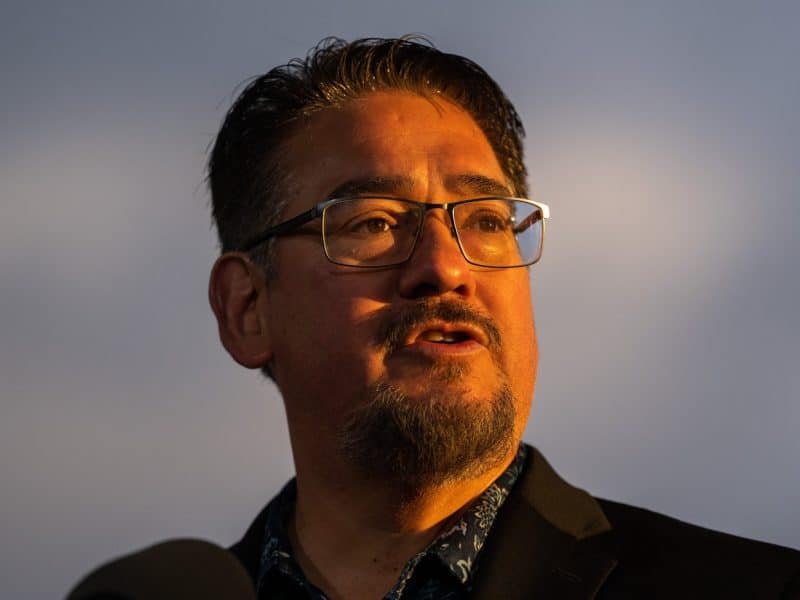
First Nation leader Robert Phillips says proposed DRIPA changes would gut legislation
VICTORIA — A First Nations leader said proposed amendments to British Columbia’s Declaration on the Rights of Indigenous Peoples Act would take a “sledgehammer” to the landmark legislation. Robert Phillips…
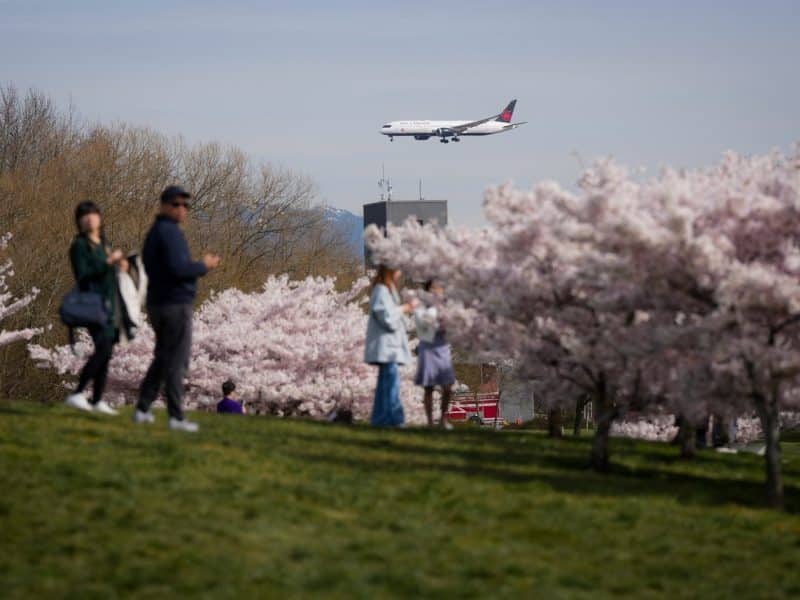
The hazards of cherry blossom crowds prompt warnings from police in Richmond, B.C.
RICHMOND — Joanna Yue, dressed in a billowing pink, layer-cake dress, struggled to capture a sense of movement among the clouds of cherry blossoms that have transformed Larry Berg Flight…