
Province announces new skilled trades certification system
VICTORIA, B.C. – The province announced a new certification system that will support higher-paying work for tr…
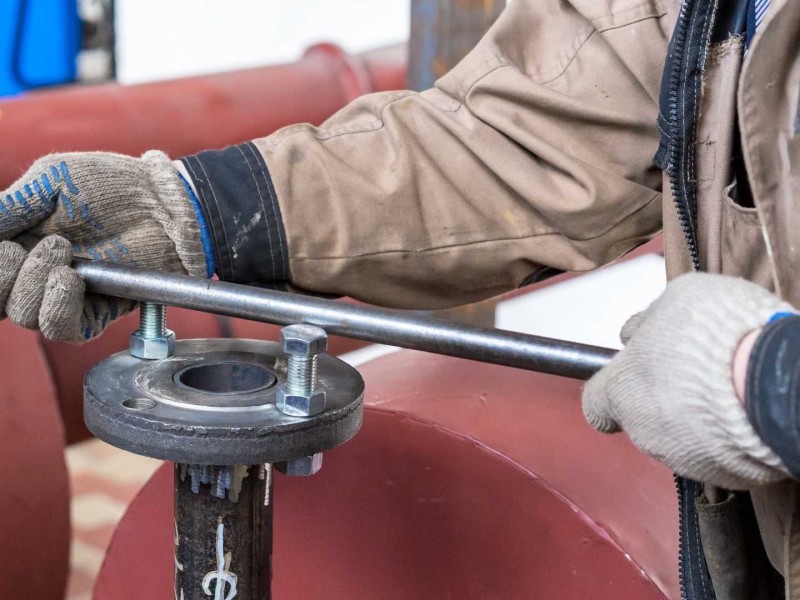
VICTORIA, B.C. – The province announced a new certification system that will support higher-paying work for tradespeople.
The new system will help employ people and address the demand for skilled workers in different areas of the province. Additionally, it will create more opportunities for women, Indigenous people, and new workers.
“Skilled tradespeople are building B.C., especially with the largest infrastructure investment in our province’s history already underway,” says Premier Horgan. “This is a made-in-B.C. solution to ensure confidence that a highly-skilled workforce is behind our recovery while providing good, family-supporting jobs that tradespeople can count on. By working together, we’re ensuring B.C. comes out of the pandemic stronger, with a recovery that reaches people across the province.”
British Columbia was the only province in Canada that didn’t have a certification requirement for tradespeople. The province had it removed in 2003. This makes it challenging for workers to transition between projects or industries, leading to lost wages.
The skilled trades certification will enhance industry safety training, including partnerships with WorkSafeBC and Technical Safety BC.
The program will start with 10 initial trades in the electrical, mechanical, and automotive fields.
“Skilled trades certification recognizes the professionalism of tradespeople throughout B.C., and ensures equity-deserving groups and every person who wants a rewarding career in the trades can access the highest level of education and training,” said Anne Kang, Minister of Advanced Education and Skills Training. “Similar to a post-secondary degree, a certified trades worker has a certification that is recognized by employers – just like teachers, lab techs, nurses and other certified workers. By recognizing the worker’s skill, we will attract more people into careers in the trades in order to help address labour shortages across a variety of trades.”
Based on recommendations from a 16 person stakeholder advisory, the following trades will be designated for skilled trades certification:
Workers in these trades will need to be a certified journeyperson or registered apprentice to work. The province will be working with industry to determine journeyperson to apprentice ratios, in line with what other provinces are doing.
Chris Gardner, President of the Independent Contractors and Businesses Association says if the province wants more people to get into the trades, more seats at training schools should be added, and the curriculum should be modernized and delivered more efficiently.
“There are too few trades schools. For many trades, there is only one school in the entire province serving nearly 250,000 workers. Compounding the challenge are waitlists at many schools of at least a year, and sometimes up to three years,” says Gardner.
Three key aspects of implementing this skilled trades certification will be evaluated in a public engagement process. Support for workers who become certified while standardizing skills at a high level, identifying and creating implementation supports for employers during economic recovery, and creating multiple pathways to completion for all workers will be examined by the province.
The public engagement process will start immediately in an online survey, roundtables, community dialogues and focused discussions with the Industry Training Authority.
Stay connected with local news
Make us your
home page
Related Articles

Dawson Creek RCMP begin investigation into deadly side-by-side incident
The Dawson Creek RCMP have announced an investigation into a side-by-side incident which left two children dead and three injured.

Local family services organization recipients of $10K Surerus community fund grant
Nenan Dane’s executive director says the organization is “still nailing down” where the funds will go.
(Opinion) Bear Flat Dispatch: Caterpillars, Bears and Poplar Trees
Regular contributor Ken Boon writes about the turning of the seasons in Bear Flat.