
Demands for change at Memorial University after hearing impaired complaint
ST. JOHN’S, N.L. — About 100 supporters rallied Wednesday at Memorial University of Newfoundland to demand more help for students with special needs.
The university students’ union urged people to “show your outrage” at the event after hearing-impaired history major William Sears said an instructor refused to accommodate him by wearing an FM transmitter.
He filed a complaint with the Newfoundland and Labrador Human Rights Commission after history professor Ranee Panjabi allegedly refused to wear the transmitter earlier this month, citing religious beliefs. The assistive device helps Sears, 20, hear lectures.
Leah Robertson, the student union’s director of advocacy, called at the rally for several improvements. They include a campus office to handle reports of discrimination, an external review of the Sears case and regular accessibility audits to be made public.
“We are going to continue pressing for change at this institution,” Robertson said. “We’re going to continue working to ensure that not a single student or member of our community experiences any form of discrimination or barrier to accessing education, which is their right.”
University president Gary Kachanoski has apologized for the incident and promised a full review of how accommodation procedures failed. A university spokesman said Wednesday Kachanoski will discuss changes demanded at the rally with student leaders.
Panjabi has not answered requests for comment.
She has been the subject of similar complaints before, including in 1996 when Memorial University reached an agreement aimed at balancing competing rights. It did so after Panjabi filed her own human rights complaint over the university’s decision at the time that she should have worn a microphone as requested by another student.
The agreement called for other forms of accommodation, Kachanoski said in a statement released Monday.
Options included providing a stand to hold the microphone portion of the “phonic ear” to pick up Panjabi’s lectures. She told local television station NTV last week that other technology might have helped avoid the most recent fracas.
A letter from the university made public by the former student involved in the 1996 dispute quotes Panjabi as telling the dean of arts her religious objections were not based on a specific tenet. They’re part of her “personal spirituality and commitments.”
The agreement reached by the school with Panjabi further states: “The university will inform any hearing-impaired student registered in any of Dr. Panjabi’s courses that the instant settlement accord is binding … and that the university cannot entertain an objection or complaint that Dr. Panjabi will not wear a microphone or other technological device on her person.”
That deal is also under review, Kachanoski said in his statement.
Morgan Sears, sister of William and a fourth-year student at Memorial, attended the rally in his place as he focuses on his studies. It takes courage and determination for students with disabilities to handle situations others don’t have to think about, she told reporters.
“MUN is supposed to be a very inclusive environment and this just goes to show that it’s not all the time.”
Leon Mills, executive director of the local Canadian Hard of Hearing Association branch, said Memorial’s initial response was “weak.”
“I think it gave the university a black eye,” he said. The association has asked the school to review whether its 1996 agreement with Panjabi is legal.
Follow @suebailey on Twitter.
Sue Bailey, The Canadian Press
ST. JOHN’S, N.L. — About 100 supporters rallied Wednesday at Memorial University of Newfoundland to demand more help for students with special needs.
The university students’ union urged people to “show your outrage” at the event after hearing-impaired history major William Sears said an instructor refused to accommodate him by wearing an FM transmitter.
He filed a complaint with the Newfoundland and Labrador Human Rights Commission after history professor Ranee Panjabi allegedly refused to wear the transmitter earlier this month, citing religious beliefs. The assistive device helps Sears, 20, hear lectures.
Leah Robertson, the student union’s director of advocacy, called at the rally for several improvements. They include a campus office to handle reports of discrimination, an external review of the Sears case and regular accessibility audits to be made public.
“We are going to continue pressing for change at this institution,” Robertson said. “We’re going to continue working to ensure that not a single student or member of our community experiences any form of discrimination or barrier to accessing education, which is their right.”
University president Gary Kachanoski has apologized for the incident and promised a full review of how accommodation procedures failed. A university spokesman said Wednesday Kachanoski will discuss changes demanded at the rally with student leaders.
Panjabi has not answered requests for comment.
She has been the subject of similar complaints before, including in 1996 when Memorial University reached an agreement aimed at balancing competing rights. It did so after Panjabi filed her own human rights complaint over the university’s decision at the time that she should have worn a microphone as requested by another student.
The agreement called for other forms of accommodation, Kachanoski said in a statement released Monday.
Options included providing a stand to hold the microphone portion of the “phonic ear” to pick up Panjabi’s lectures. She told local television station NTV last week that other technology might have helped avoid the most recent fracas.
A letter from the university made public by the former student involved in the 1996 dispute quotes Panjabi as telling the dean of arts her religious objections were not based on a specific tenet. They’re part of her “personal spirituality and commitments.”
The agreement reached by the school with Panjabi further states: “The university will inform any hearing-impaired student registered in any of Dr. Panjabi’s courses that the instant settlement accord is binding … and that the university cannot entertain an objection or complaint that Dr. Panjabi will not wear a microphone or other technological device on her person.”
That deal is also under review, Kachanoski said in his statement.
Morgan Sears, sister of William and a fourth-year student at Memorial, attended the rally in his place as he focuses on his studies. It takes courage and determination for students with disabilities to handle situations others don’t have to think about, she told reporters.
“MUN is supposed to be a very inclusive environment and this just goes to show that it’s not all the time.”
Leon Mills, executive director of the local Canadian Hard of Hearing Association branch, said Memorial’s initial response was “weak.”
“I think it gave the university a black eye,” he said. The association has asked the school to review whether its 1996 agreement with Panjabi is legal.
Follow @suebailey on Twitter.
Sue Bailey, The Canadian Press
Stay connected with local news
Make us your
home page
Authors

Related Articles
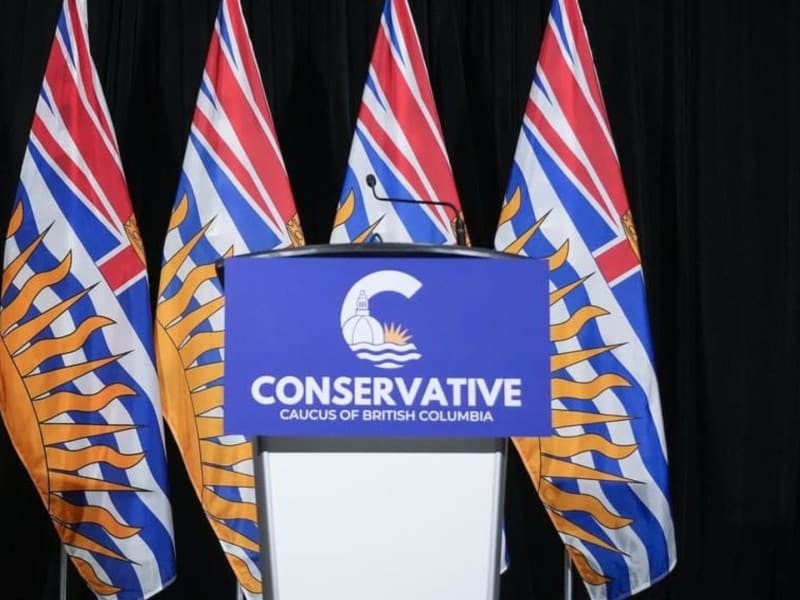
Local Conservative association prepares to support new candidate selection with AGM
The B.C. Conservative Peace River North Riding Association will be hosting the open AGM on April 11th, 2026.
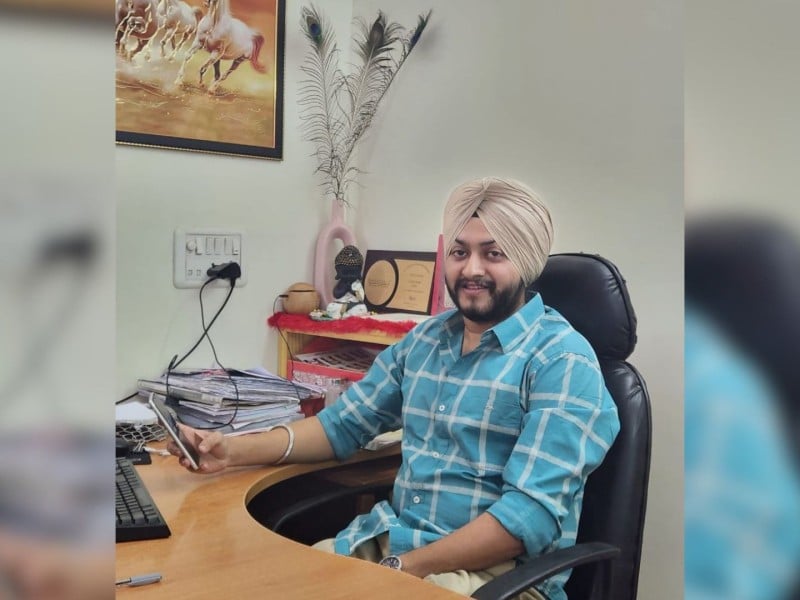
‘Kind and gentle soul’ killed in Charlie Lake remembered by family for ‘smile and joy’
Gurkirat Singh Manocha passed away on March 13th, 2026, after succumbing to serious injuries following an ‘altercation’ in Charlie Lake.
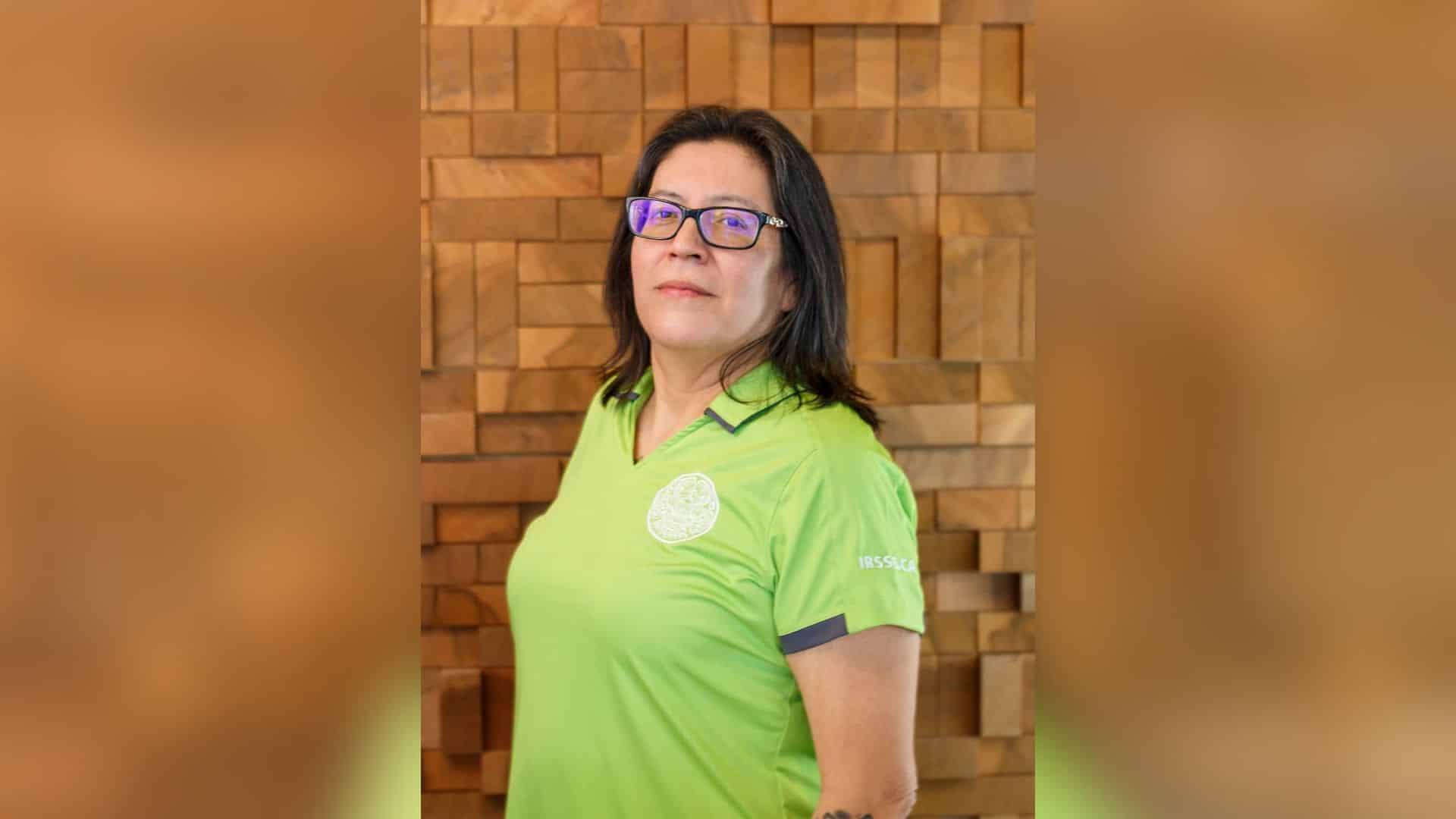
Long-standing Spirit of the Peace Pow Wow president resigns
Connie Greyeyes has resigned from her position as board president of the Spirit of the Peace Pow Wow.